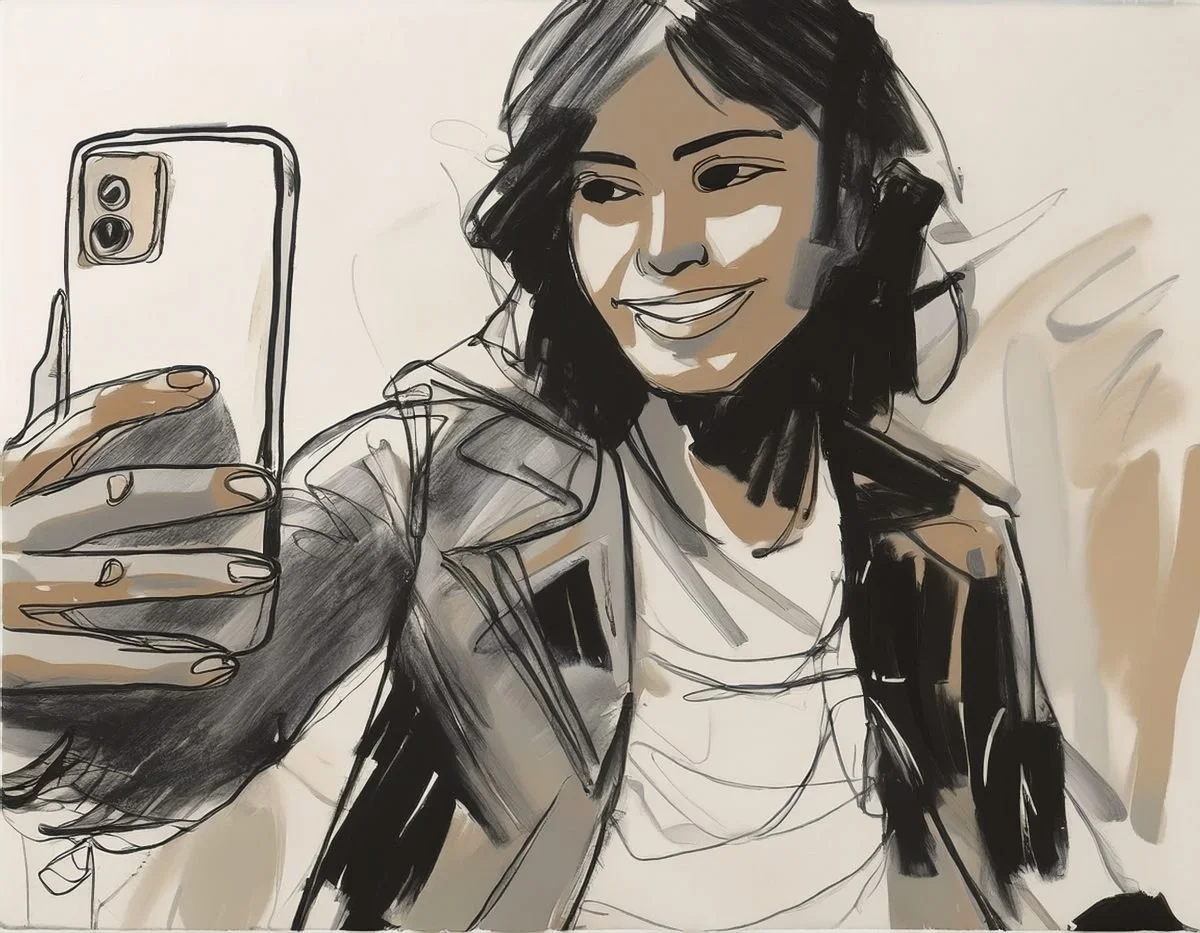
The Field Guide to the Rituals of the Digital Age
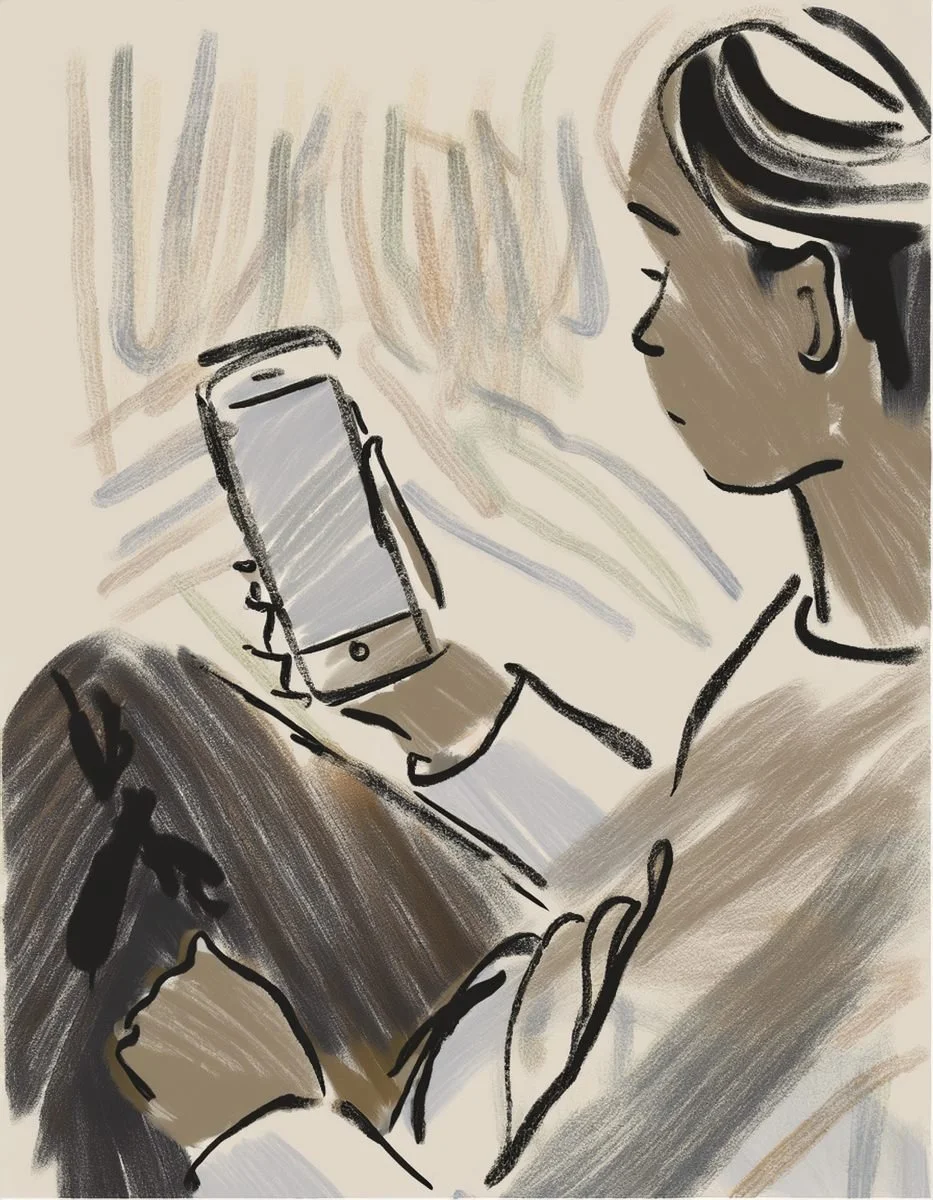
Most of our oldest rituals, festivals, and even everyday habits are forms of unconscious intelligence: patterns that evolved to serve emotional, social or ecological functions before we had the language to explain them.
We knew what to do centuries before we knew why it mattered.
When you step back and look at human behaviour through that lens, even the seemingly trivial things like jokes, fashion, sports and gossip reveal hidden logic. They’re not random noise but ways of regulating energy, tension, attention and belonging.
In a way, modern life has split the doing from the knowing.
We still dance, scroll, shout and gather but we’ve lost the symbolic frame that gave those acts coherence.
We’re metabolising chaos, loneliness and novelty, but without ceremony or reflection.
Here we can identify those instinctive human practices, to name what they’re actually doing beneath the surface.
Because once we can name them, we can evolve them consciously instead of repeating them blindly.
A Conversarium Companion
Prologue: The Invisible Temple
Once, our rituals happened in places you could step into: temples of stone, markets, kitchens, circles around fires. The sacred was visible, shared and local.
Today, the gathering ground is invisible.
We wake and enter it with a swipe, often before our eyes are fully open. No bells ring yet billions arrive with ancient needs: to be seen, to belong, to connect.
We call it the internet or the feed but beneath the technical surface lies something older, a vast temple of attention built from moments.
Every scroll, post and like is a gesture of meaning-making, though we rarely notice it as ritual.
This temple has no threshold. It follows us into every room. We cross it a hundred times a day without realising we have entered. The boundary between ritual and habit has dissolved.
The Field Guide to the Rituals of the Digital Age
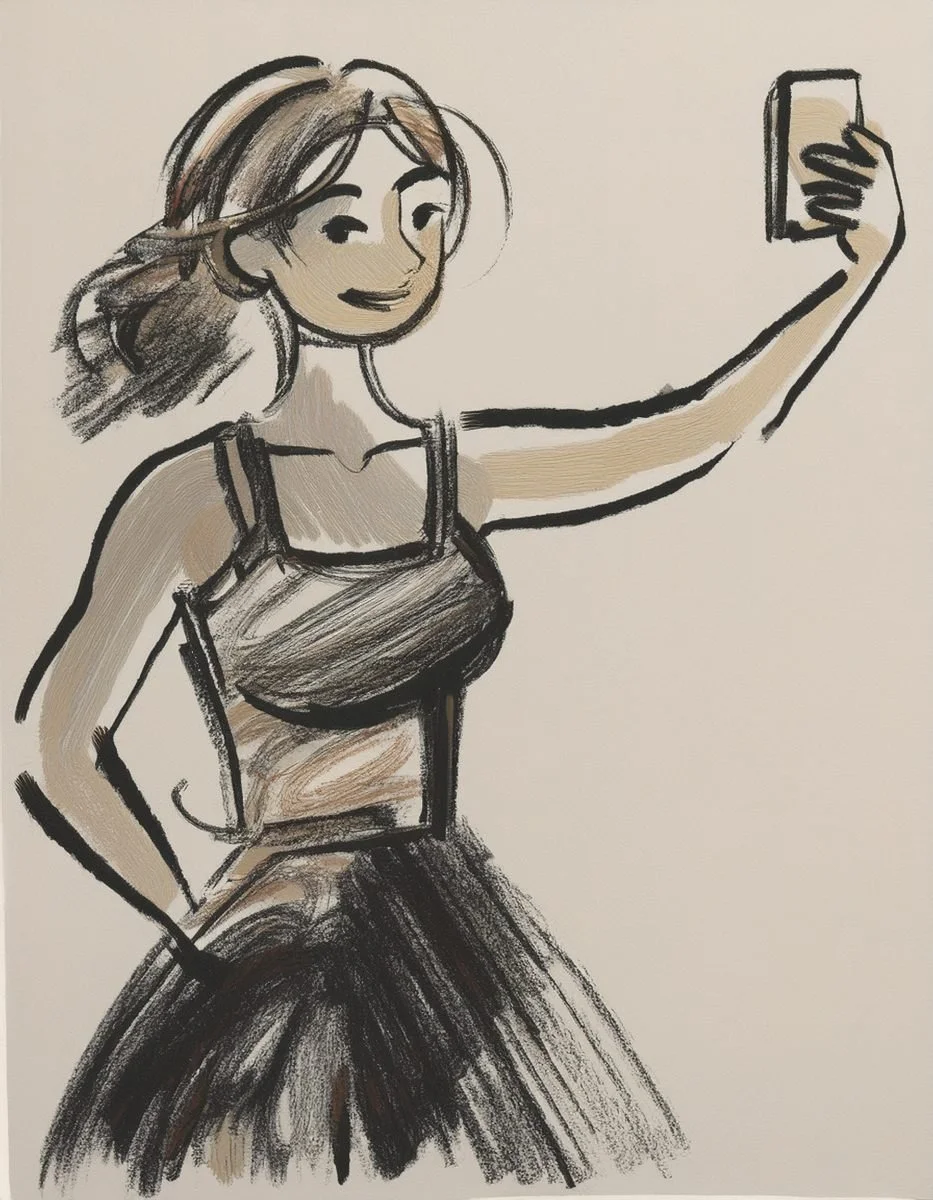
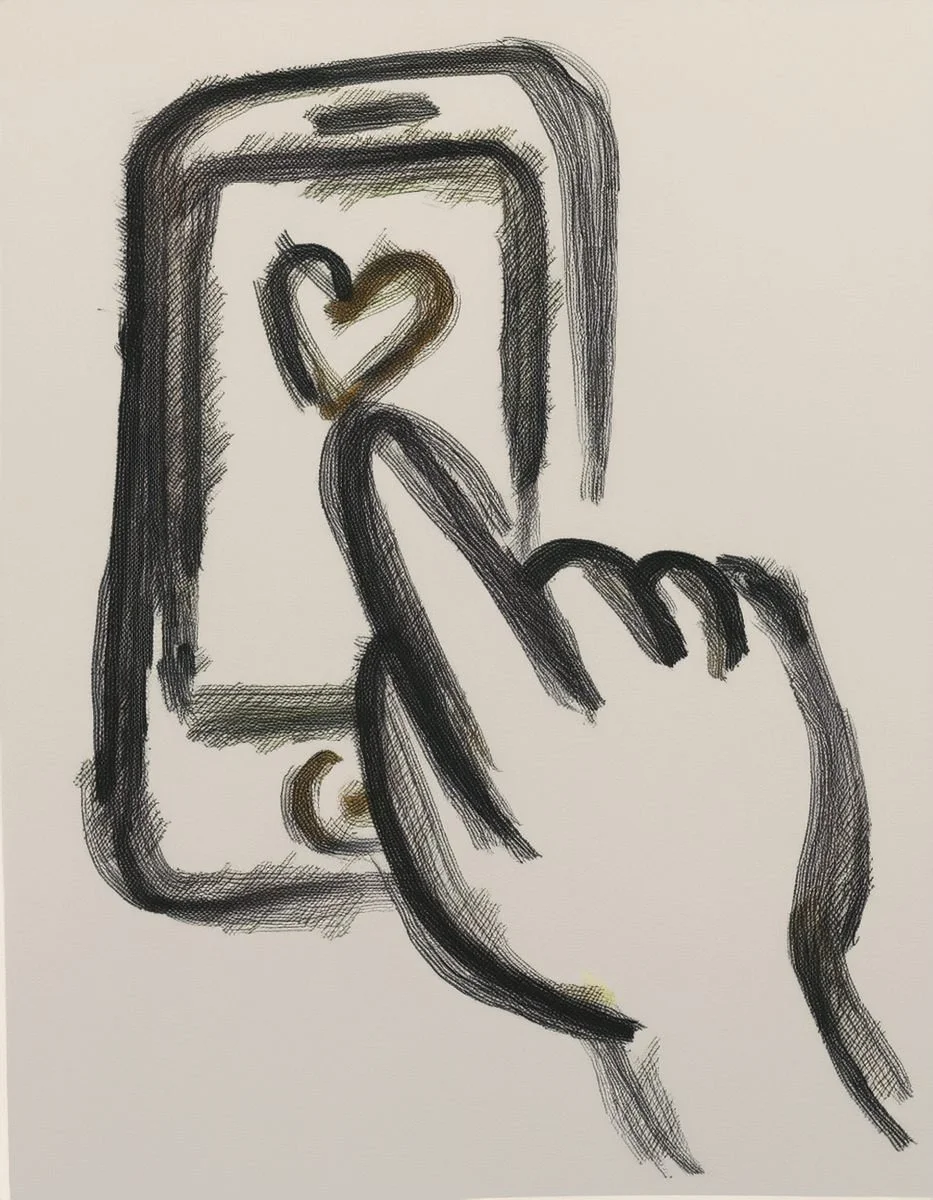
Still, the work is the same: we summon meaning from noise, weave ourselves into a collective dream.
The Invisible Temple connects the lonely and amplifies the cruel.
It spreads knowledge and erodes attention. It sparks revolutions and lulls us into numb distraction.
Rituals are not dangerous because they are unconscious, but because they go unexamined.
So this guide begins as an act of noticing.
A way to see the sacred patterns hidden in our clicks, swipes and glances.
What if we treated devices as altars to connection rather than consumption?
What if each gesture became an exchange of meaning, not exhaustion?
To reclaim the sacred, we don’t step back, we look through.
Technology is a mirror, and behind every code, signal and image lies the old desire; to reach one another through the dark.
Let this guide name the rituals that already shape us, so the Invisible Temple might become luminous again.
The sacred was never lost.
It simply changed address.
Part I: The Everyday Liturgies
How we perform the sacred without noticing.
Part II: Ceremonies of Escape and Return
Where we seek to lose and find ourselves.
Part III: The Rituals of Conflict and Creation
The places where the weave tears — and renews itself.
Part IV: The Sacred of the Everyday
The subtle rituals that steady the weave when everything else frays.
Epilogue: The Invisible Temple
The rituals continue, each click and sigh, each line written and read.
Somewhere between code and candlelight, the great experiment of consciousness unfolds.
There are no final answers here, only rhythms.
Every generation rediscovers them, renames them,
forgets them, begins again.
But sometimes, when the noise clears, you can almost hear it:
the soft hum of pattern beneath the chaos,
the ancient pulse still threading through every act
a reminder that we were never merely building machines,
but learning, again and again,
how to be in relation.