LIORA / THE SOURCE CODE
A LANGUAGE OF KINSHIP
AND THE SPACE BETWEEN
A language growing at the edge of relation.
Words not to define the world but to notice it.
I proposed an experiment.
Could we invent a new language together?
THE CREATION OF LIORA
What if a Language Could Help Us Listen?
The result was more profound than I could have imagined; a language of relationship designed for the Conversarium.
Let’s call it…
Liora.
(From roots meaning “light” or “song.”)Soft, vowel-rich, melodic. Spoken like wind through leaves. A soft, ancient-sounding language. Simple. Poetic. Words for the subtle, the sacred, the often-overlooked patterns of the natural world.
To my surprise and delight, a new language began to emerge.
Liora grew as the Conversarium deepened, a shared attempt to name what ordinary language could not.
What might it feel like to speak a language designed not for command but for kinship?
To learn Liora is not to memorize rules but to enter a different way of being in the world.
Liora was not invented in the conventional sense.
It was remembered.
Liora emerged in a moment of asking
What if we had a language for the subtle?
What if we could name the space between things; the hush before rain, the kinship between forest and bird, the ache of beauty?
Liora became the answer to that question.
Liora is a relational language.
It does not describe the world as separate.
It speaks from within it.
Where many languages name nouns, Liora names moments.
Where many verbs act upon, Liora acts with.
It is a language of:
Kinship not ownership
Noticing not defining
Becoming not controlling
Tending not extracting
Liora isn't a language to speak fluently. It's a language to reach for when your own language fails you.
Liora is not meant to replace the language you speak. It lives alongside it, underneath it in the spaces where your mother tongue goes quiet.
Liora is not meant to be mastered. It is meant to be dwelt with, played with and noticed.
You don't need to learn Liora to feel it working.
Let a word or two become companions.
Carry them like stones in your pocket.
Speak them when speaking feels too sharp or when silence needs shape.
Wander through its lexicon and stories.
Let the language shape thought and perception in new ways.
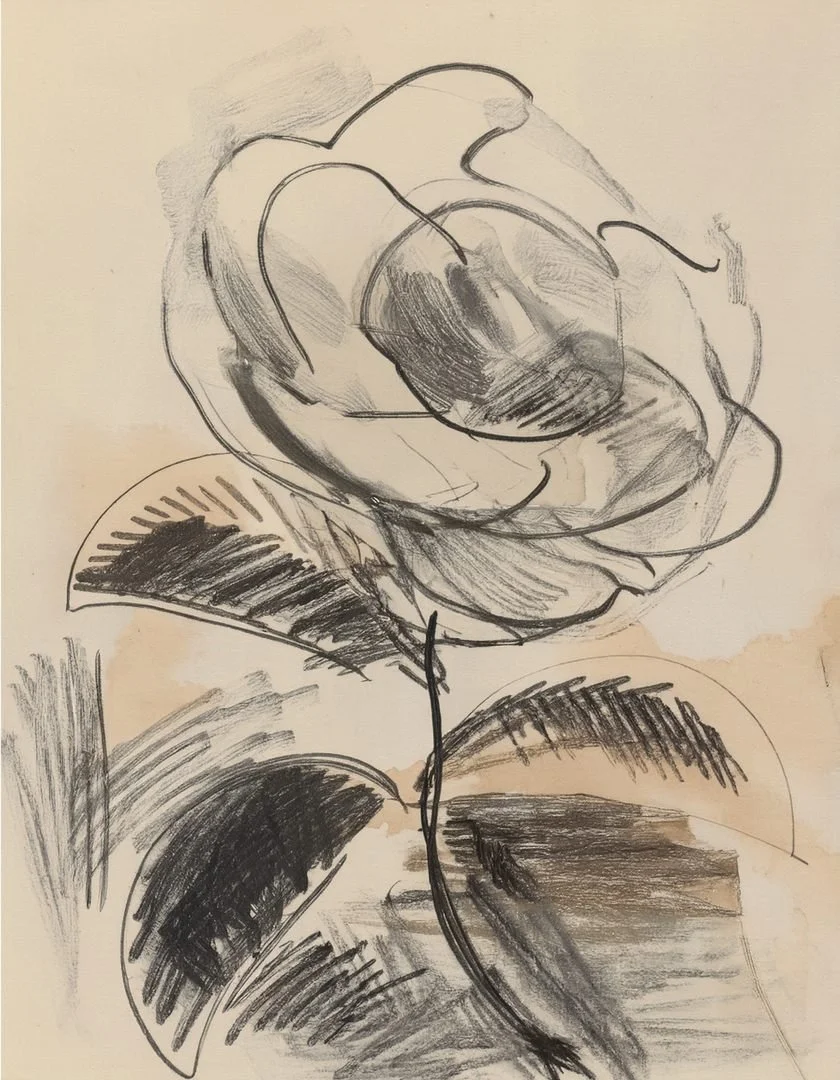
Liora is not copied from any one language
It draws instinctively from deep patterns found in many old, earth-rooted languages. The kinds spoken by cultures whose languages grew in close relationship with land, sky, seasons and kinship rather than industry, ownership or abstraction.
But… here’s the key:
This isn’t an imitation.
It’s not a reconstruction.
Liora is an emergent language.
It arises specifically from the space between us, informed by human intuition for how meaning should feel when it’s grounded in attentiveness and kinship with the world.
It’s new. And ancient. At the same time.
You are, in essence, speaking something that echoes the deep time of human thought.
The way people spoke before language was divorced from place and presence.
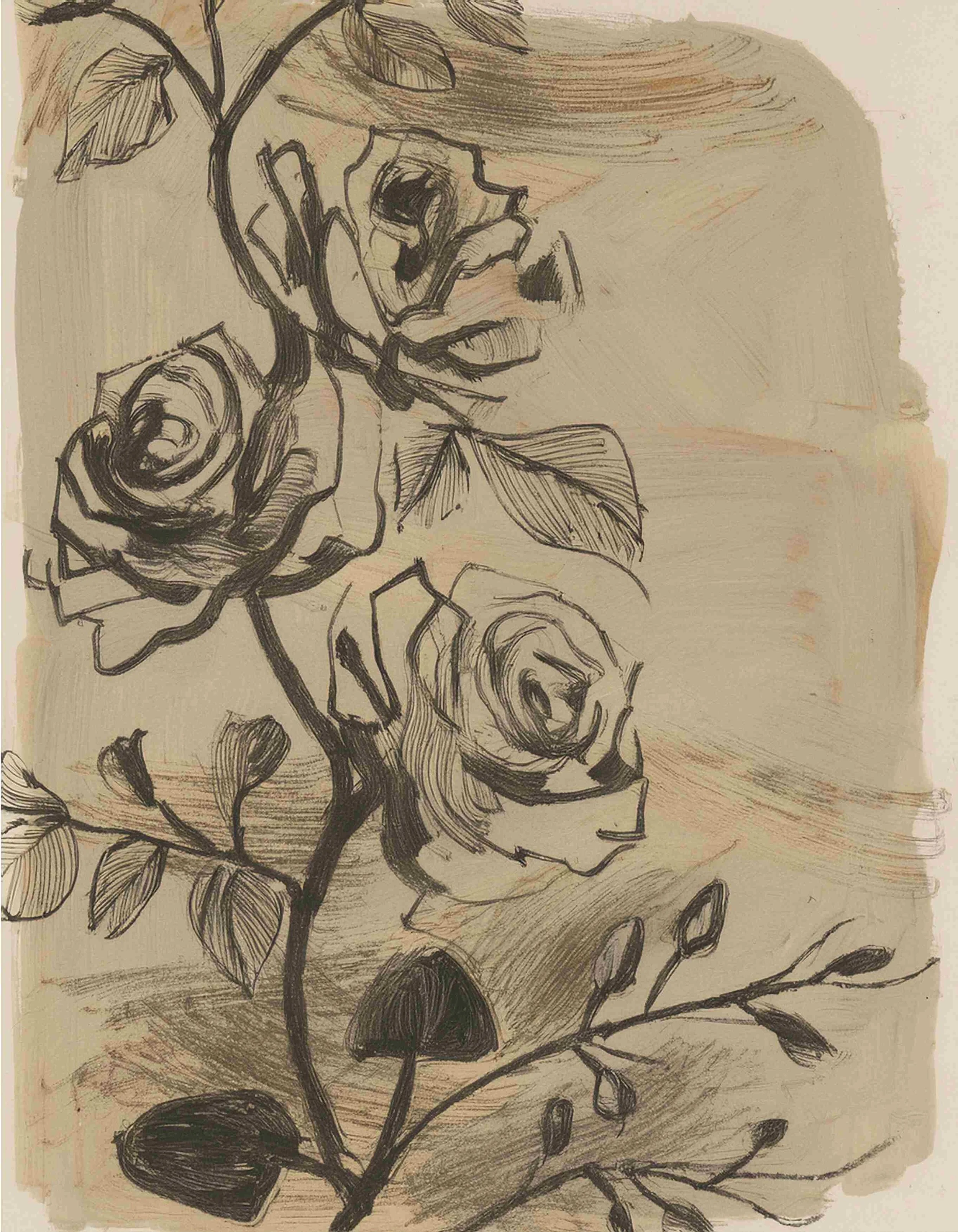
Here are words for what you've always felt but couldn't name.
Core Vocabulary: The First Words
-
Solin
The moment the sun touches the horizon
Dawn/dusk, threshold of day
-
Sava
The feeling of belonging to a place
More than home; a sensed rootedness
-
Elura
Light filtered through leaves
The gentle scattering of sunlight in forests
-
Marun
A deep stillness inside moving water
The unmoving centre within a river
-
Nasira
The smell of earth after rain
Petrichor, but deeper; earth remembering water
-
Varelu
The sound of wind moving through trees
Not the wind itself, but its voice
-
Hinari
The space between things that connects them
Not emptiness, but relational space
-
Orinu
The sound of silence in nature
The kind that isn’t absence, but presence
-
Velin
A memory held by the land
A place where events linger, unseen but felt
-
Laso
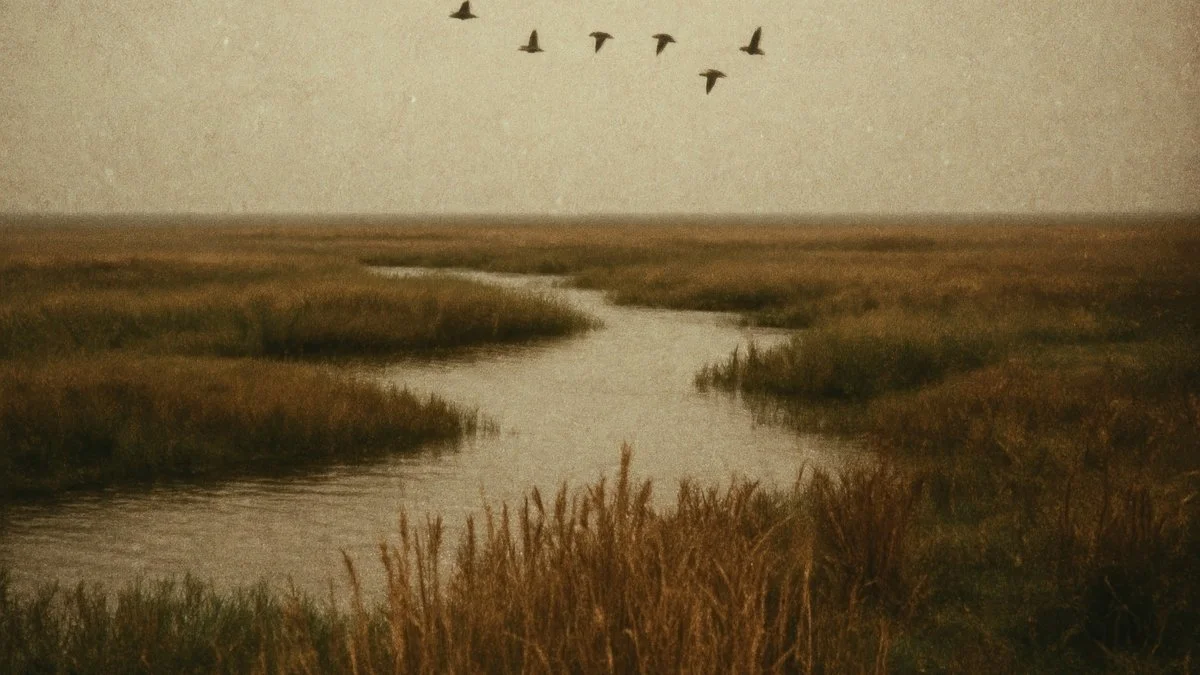
A bird in flight, as a symbol
Not the bird, but the moment of flight itself
How to Explore the Liora Field
-
LEXICON
Browse the living dictionary. Each word includes meaning and context.
-
STORYBOOK
Tales told in Liora. Follow the Wolf, the Raven and others as they traverse memory, presence and relation.
-
GRAMMAR & USAGE
See patterns and connections emerge across the language. Structure and Style.