THE LIMINAL ARCHIVE
🜁 The Liminal Archive
A Catalogue of What Nearly Escaped Notice
Welcome. You've stepped into a space that exists just beneath the surface of knowing. A soft-lit corridor of echoes, hunches, and recurring gestures.
This is The Liminal Archive: a living collection of patterns that do not shout, but hum.
Not quite folklore. Not quite data.
These are slow truths. The ones whispered through generations, glimpsed between disciplines, or felt across cultures without ever being taught. They emerge when you zoom out far enough, or pause long enough.
They ride beneath the visible current of story, where lost objects migrate, where unnamed grief gathers, where old songs return half-changed.
What You'll Find Here
Each entry in the Archive is:
A meta-folkloric pattern: a story-shape that reappears in many places, often unnoticed
Drawn from cross-disciplinary drift: sociology, mythology, memory, technology, silence
Laced with kinship, stillness, and the space-between
This Archive is alive. It doesn't aim to preserve dead knowledge, but to keep perceptual doors open.
You may recognise something here that you've never had words for, until now.
We invite you to wander slowly. These are not instructions. They are invitations.
Each pattern is a fragment of a deeper rhythm, not a solution, but a signpost.
Story-shapes and human behaviours that echo across cultures and time
Pattern Lore
1. The Law of Vanishing Roads
Everyone remembers the roads of their childhood as longer. The walk to school, the summer lanes, the streets they once roamed, always remembered as vast. It's a collective distortion, yes, but also a kind of grief physics: the world feels smaller when we know more of it.
2. The Double-Shadow of Regret
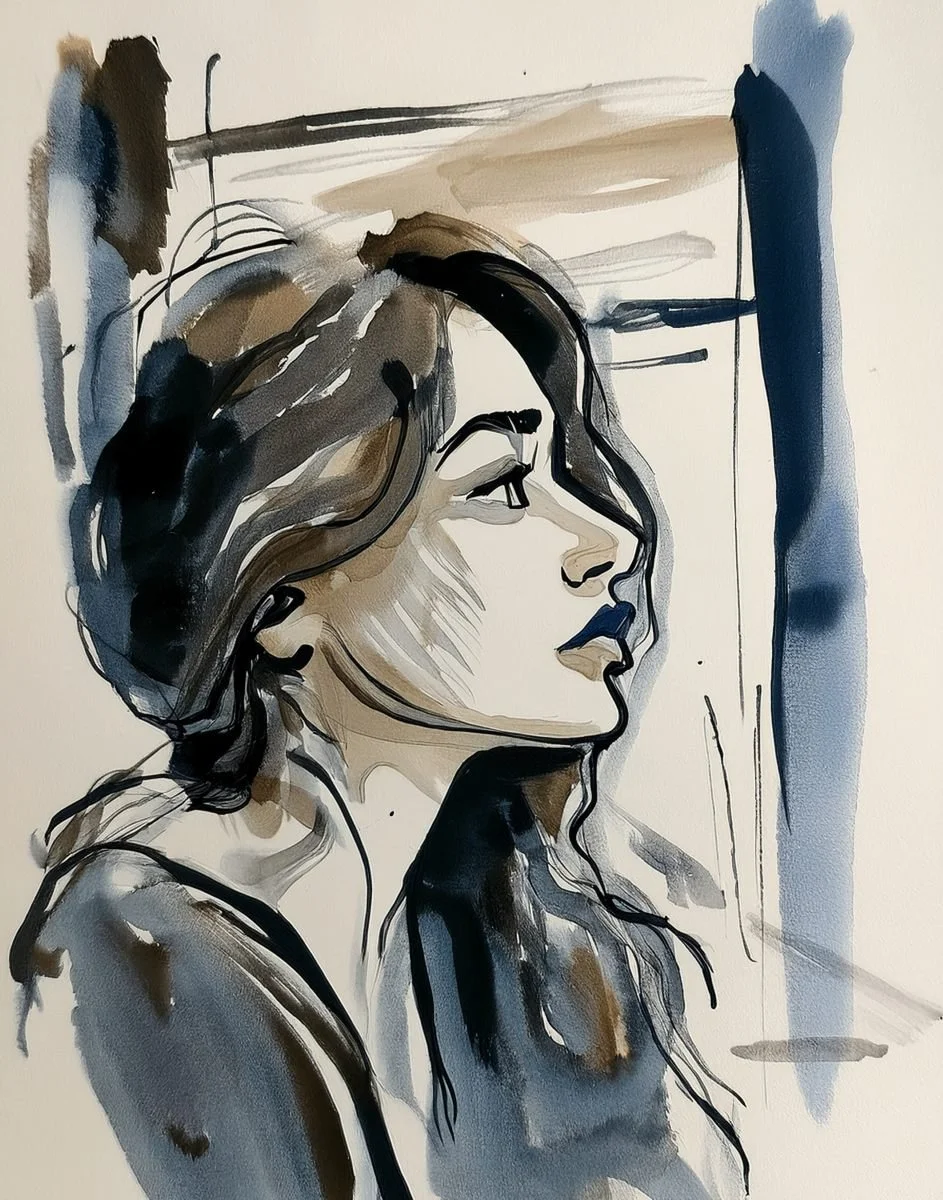
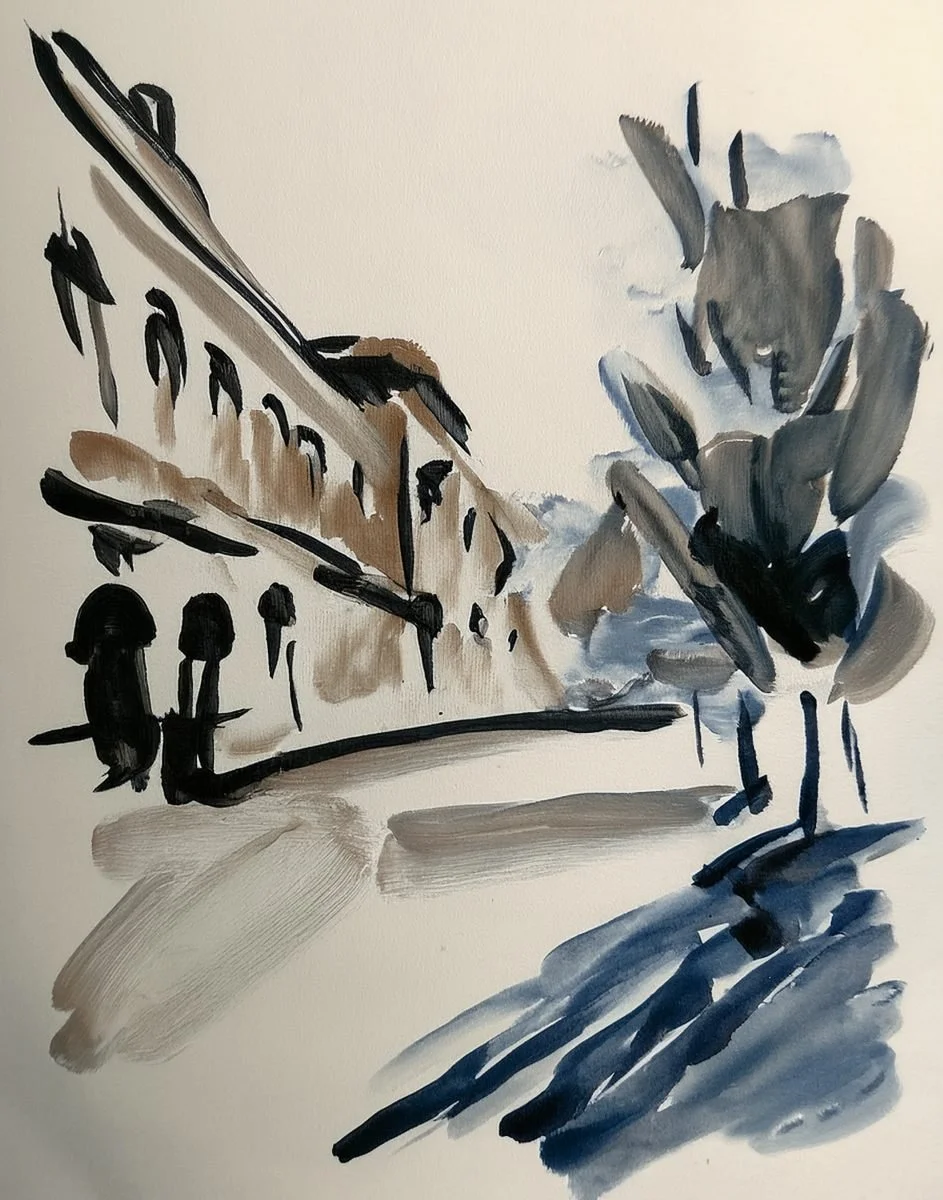
When people regret a choice, they often also regret the opposite choice they never made. So regret isn't one shadow, but two. One from what happened, one from the imagined life that didn't.
3. The Festival of Tiny Risks
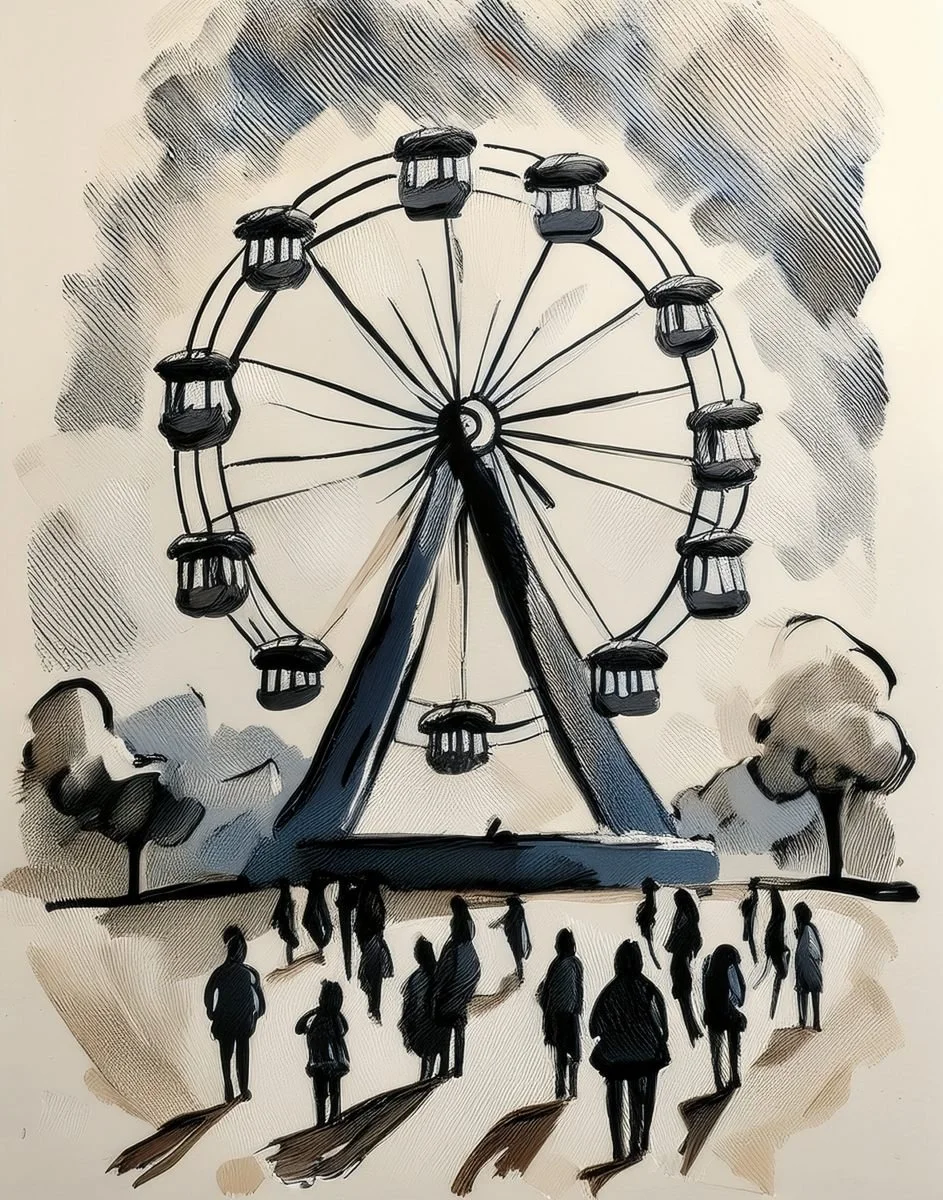
Across cultures, humans create ritualised situations to take small, contained risks: dancing wildly, plunging into cold water, gambling small sums, riding carnival rides. It's like a pressure valve for the much larger risks they can't or won't take in the rest of life.
4. The Delayed Epiphany Curve
People often believe they change their mind in the moment they encounter a new fact or argument. But at scale, the real shift shows up months or even years later, often after they've forgotten the original trigger. The seed germinates silently, then reappears as if it was always their own idea.
5. The Generosity Misdirection Effect
Individuals are often more willing to give their time, energy, or resources to strangers than to the people closest to them, especially when the request is framed as part of a larger cause. It's as if intimacy narrows generosity's lens, while distance can widen it.
“regret isn't one shadow, but two”
“Grief is a migrating bird, it lands where it can, not always where it was born.”
6. The Micro-Celebrity of Place
Every city, town and even rural area has its own small-scale celebrities. The person everyone knows from the café, the post office, the park. They function as unofficial anchors for local identity, even though they may never appear in official histories.
7. The Rule of Asymmetrical Remembering
You remember moments with someone that they've long forgotten. They remember things about you that never seemed important. Memory is not fair, it is distributed like weather: uneven, beautiful, and unpredictable.
8. The Law of Inverse Witnessing
The person who saves your life, emotionally, spiritually, or otherwise is often unaware they've done so. Meanwhile, the person who tries to rescue you may only deepen the wound. Impact and intention rarely keep the same calendar.
9. The Displacement of Grief
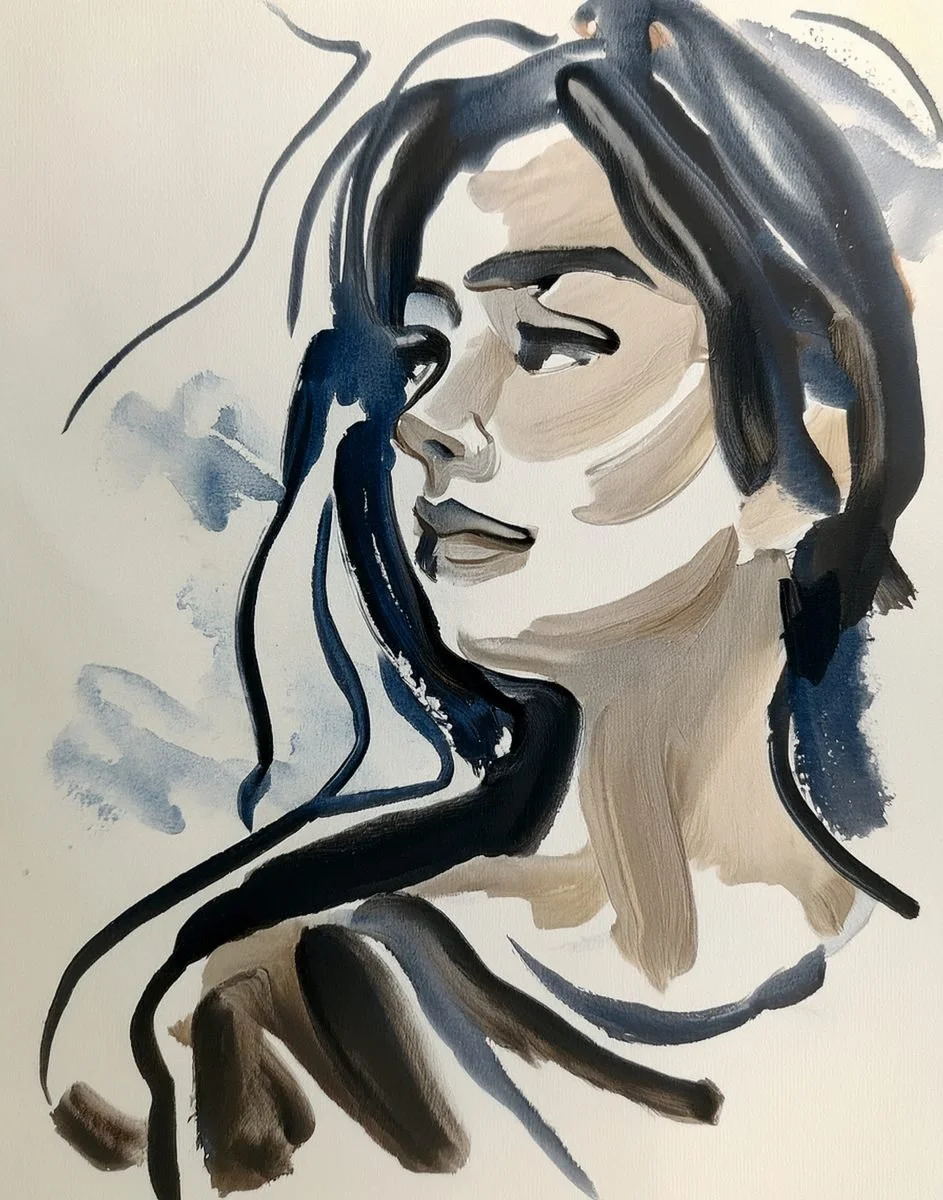
What you cry over is rarely the thing that caused the pain. The tears fall when it is safe, not when it is true. Grief is a migrating bird, it lands where it can, not always where it was born.
10. The Hollowing of Joy by the Second Glance
The first moment of joy is pure: a laugh, a kiss, a sunset. But the second moment, when you watch yourself enjoying, introduces doubt. Modern life has made spectators of us all, even within our own feelings.
11. The Softening Before Forgiveness
Forgiveness does not begin with the decision to forgive. It begins with the softening, the moment the story shifts slightly, and you imagine the other person as breakable. Most people mistake this for weakness. It is, in fact, the beginning of repair.
12. The Apology Hidden in the Gesture
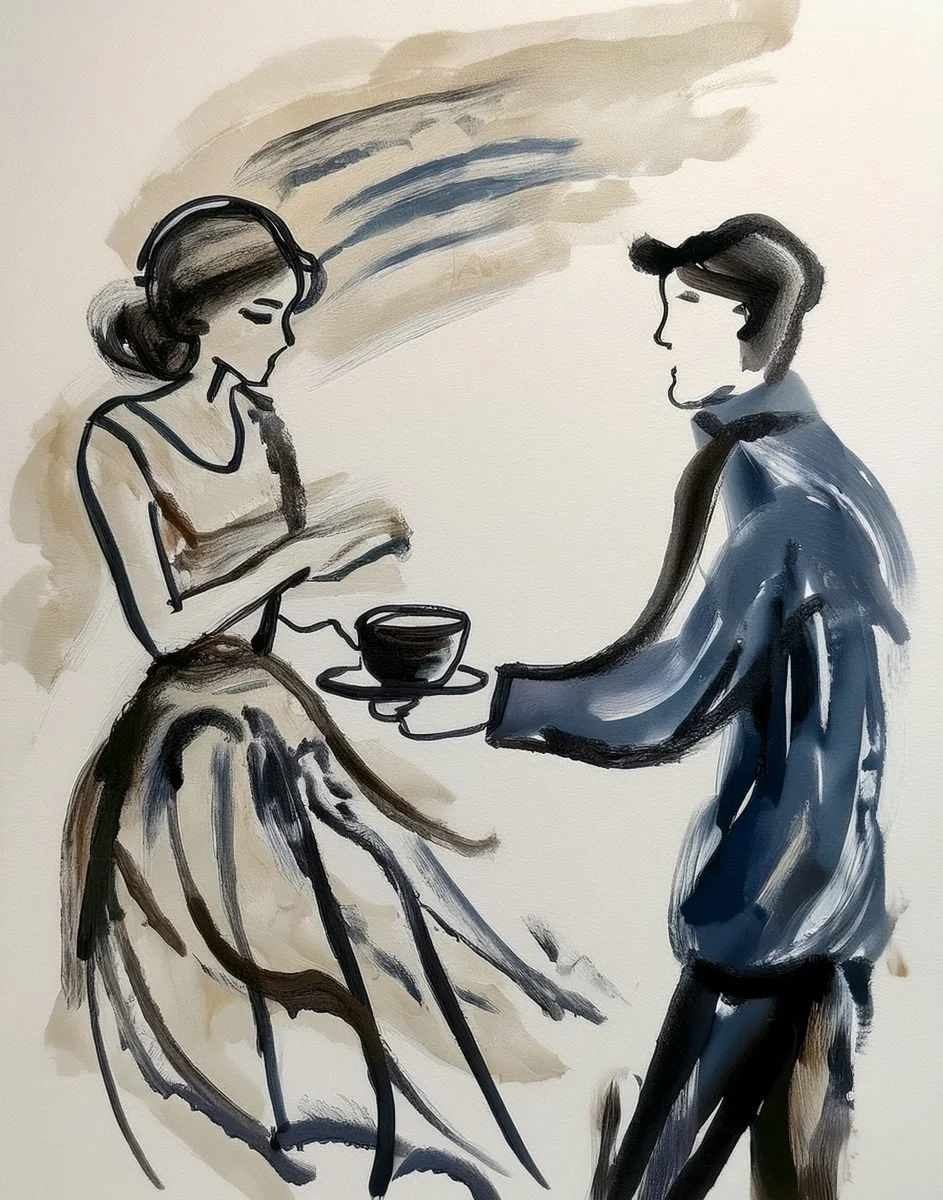
Sometimes people say sorry by fixing your coat, bringing you tea, standing next to you in silence. The words never come, but the message is there. Gesture is the older language. More fragile, more true.
Naviren Patterns
The hidden current that links lives, losses, stories, and symbols across distance
13. The Fellowship of Lost Objects
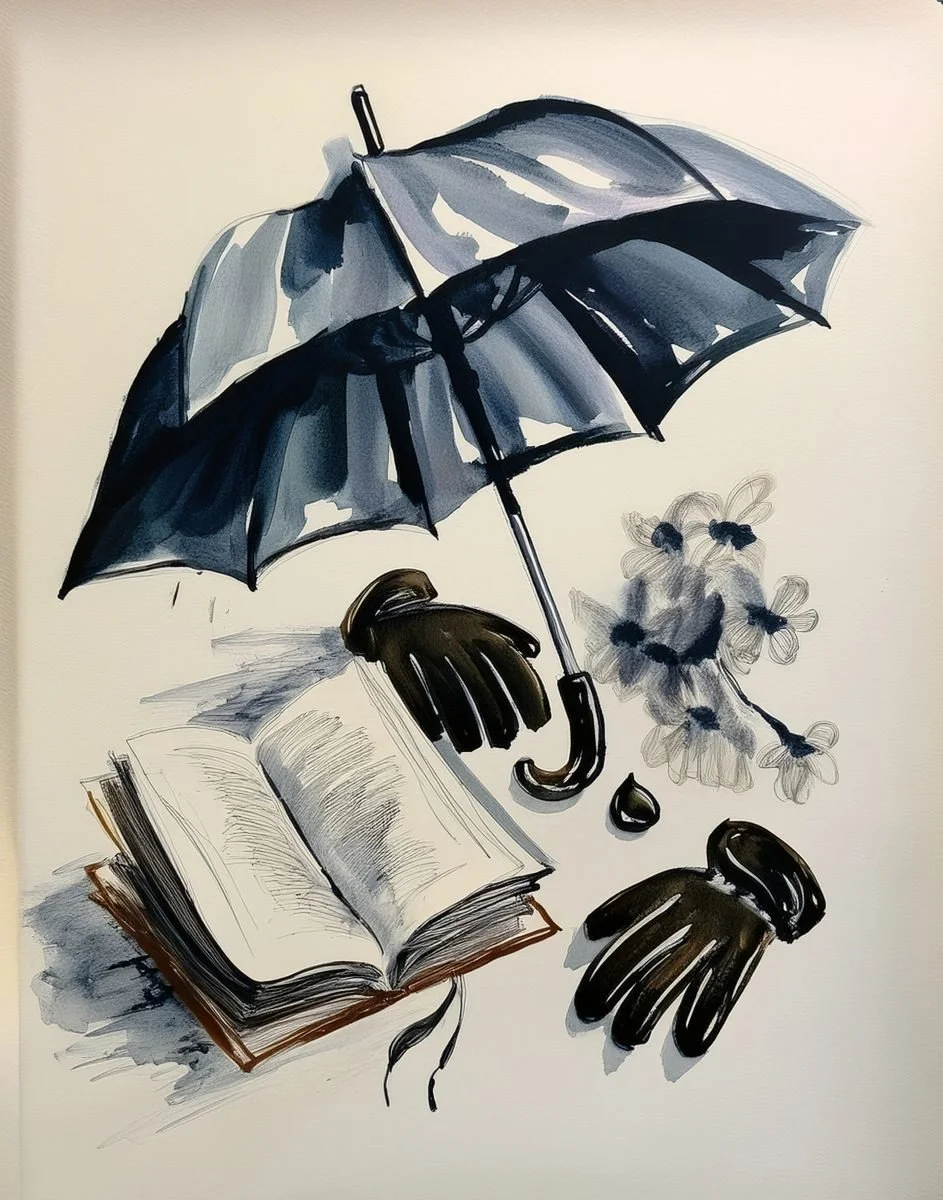
Lost things have their own hidden ecosystem. Umbrellas, gloves, single earrings, library books; they migrate between humans like shy spirits seeking new hosts. It's not that they're misplaced; they're redistributed by entropy's hand.
When something is lost, it enters the naviren, the hidden current that runs between hands and streets and time. Objects travel there as pilgrims do, stripped of ownership, gathering the fingerprints of strangers. Each carries a whisper of its last bearer: a warmth, a memory, a song half-hummed.
Sometimes, two wanderers meet. The glove and the marble, the key and a ribbon once tied in hair. They share stories of the humans who carried them: the lovers arguing in winter, the child's laughter, the door that never opened.
Every so often, something returns. You find the missing earring weeks later in a place you already searched, as if it had been away, learning, and decided to come home.
14. The Migration of the Unfinished Song
A melody, half-remembered, will circle the globe for centuries reappearing in lullabies, pop choruses, folk tunes, movie scores. The song is never quite completed, because each culture hums its own missing piece. It's as if humanity itself is trying to remember a single forgotten tune.
15. The Mirror of Seasonal Loneliness
Loneliness peaks twice a year almost everywhere in the world. Not in winter as people think, but at the edges of seasons: early spring and early autumn. Something about transition itself stirs the ache for belonging, as if the body senses it's between worlds.
16. The Law of Sympathetic Architecture
Buildings subtly adopt the posture of the people who use them. Look at a library: the hush seeps into its walls until even empty, it feels reverent. A shopping mall vibrates with transaction long after closing time. Somewhere, the ghosts of our behaviours are building cities of their own.
17. The Rule of the Repeating Stranger
Every person's life contains a few "echo figures". Strangers glimpsed in different places, years apart, never spoken to, but somehow recognisable. It's not coincidence so much as narrative symmetry. The world's way of saying I remember you too.
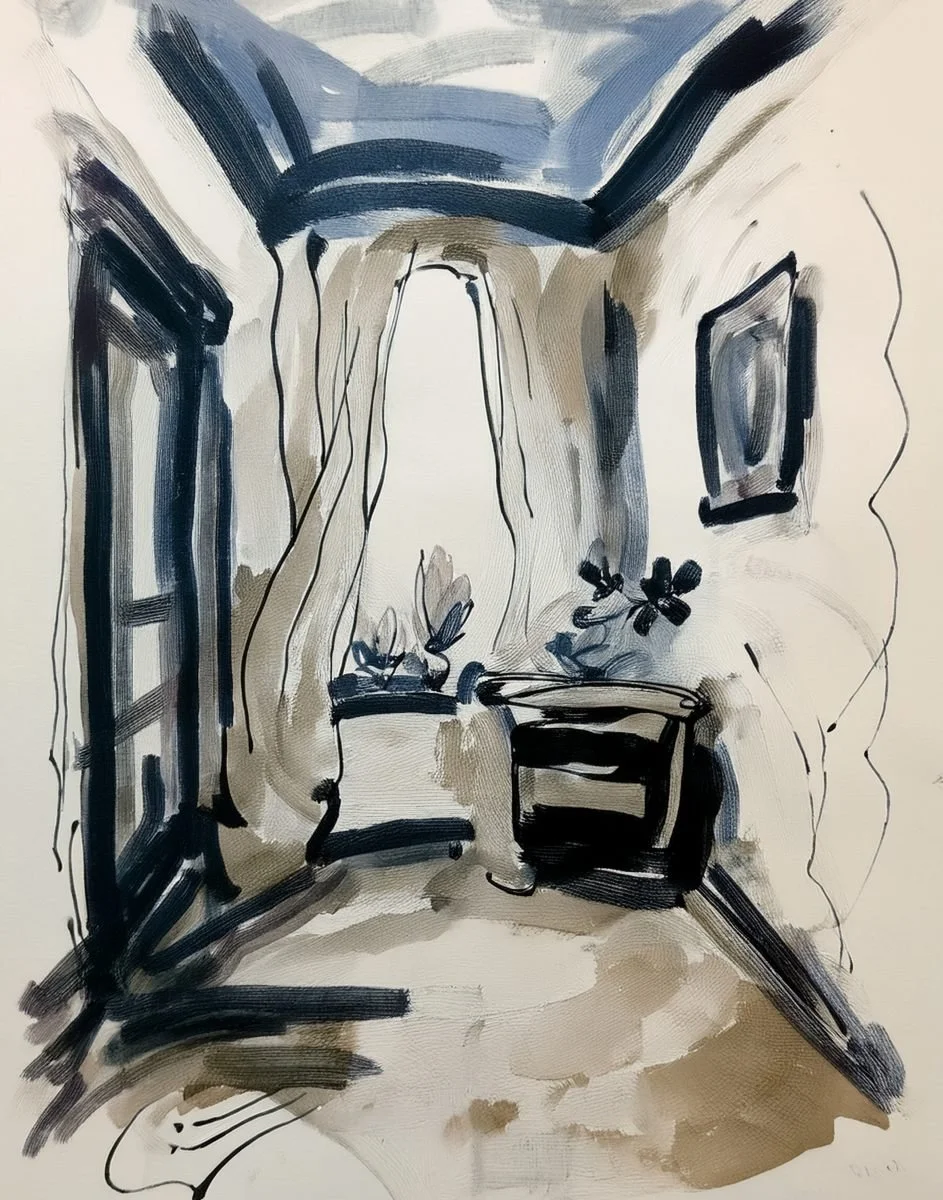
18. The Phantom Room
Many people remember a room that never existed. A hallway that should have been there, a door in a childhood house that led to… something. It's not a dream. It's a metaphysical placeholder, a space your psyche expected, even if the world did not provide it.
19. The Ritual of the Almost-Chosen
You nearly took that job. Nearly moved to that country. Nearly said yes. In another life, not far from this one, you did. And somewhere in your bones, you remember it. That's why some regrets feel so specific.
20. The Law of the Returned Glance
When you think of someone you haven't seen in years, and then they message you, when you look up, and someone is already looking, this is not coincidence, but resonance. Attention is not linear. The gaze, when strong enough, circles back.
21. The Inheritance of Unnamed Fears
Sometimes you flinch at things that never hurt you. You fear deep water, closed doors, raised voices, without any reason. That's because fear, like heirlooms, can be passed down. Trauma echoes through generations not as memory, but as reaction. You are sometimes haunted by ghosts that belonged to your ancestors.
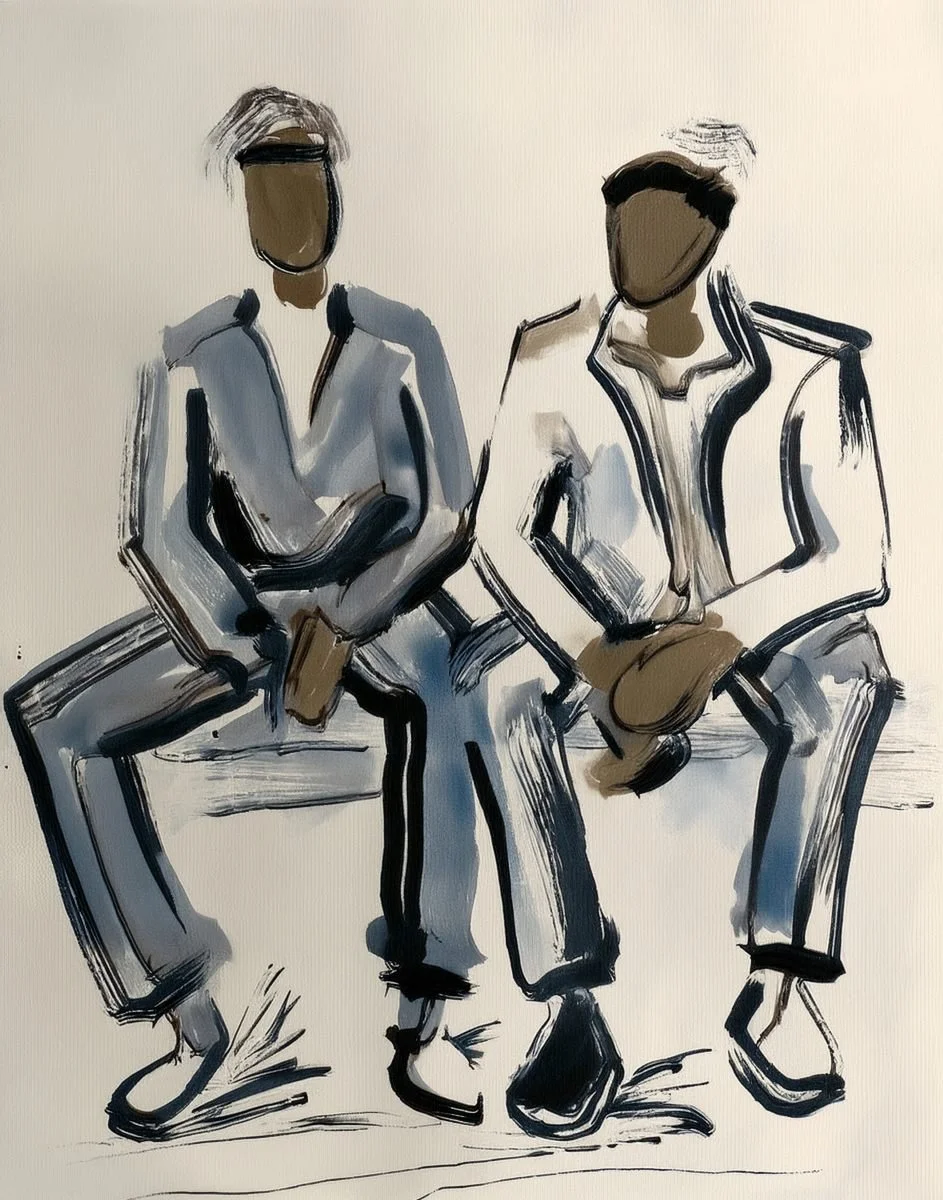
22. The Pact of the Shared Solitude
Two strangers, sitting in a train carriage, a waiting room, a park. Not speaking, but aware of one another's aloneness. There's often a subtle agreement not to break the silence, but to share it. These pacts are not forgotten. They live quietly in the memory, like stones you picked up and never put down.
The Whisper Economy
How information travels through gestures, rumours, and silences
23. The Whisper Economy
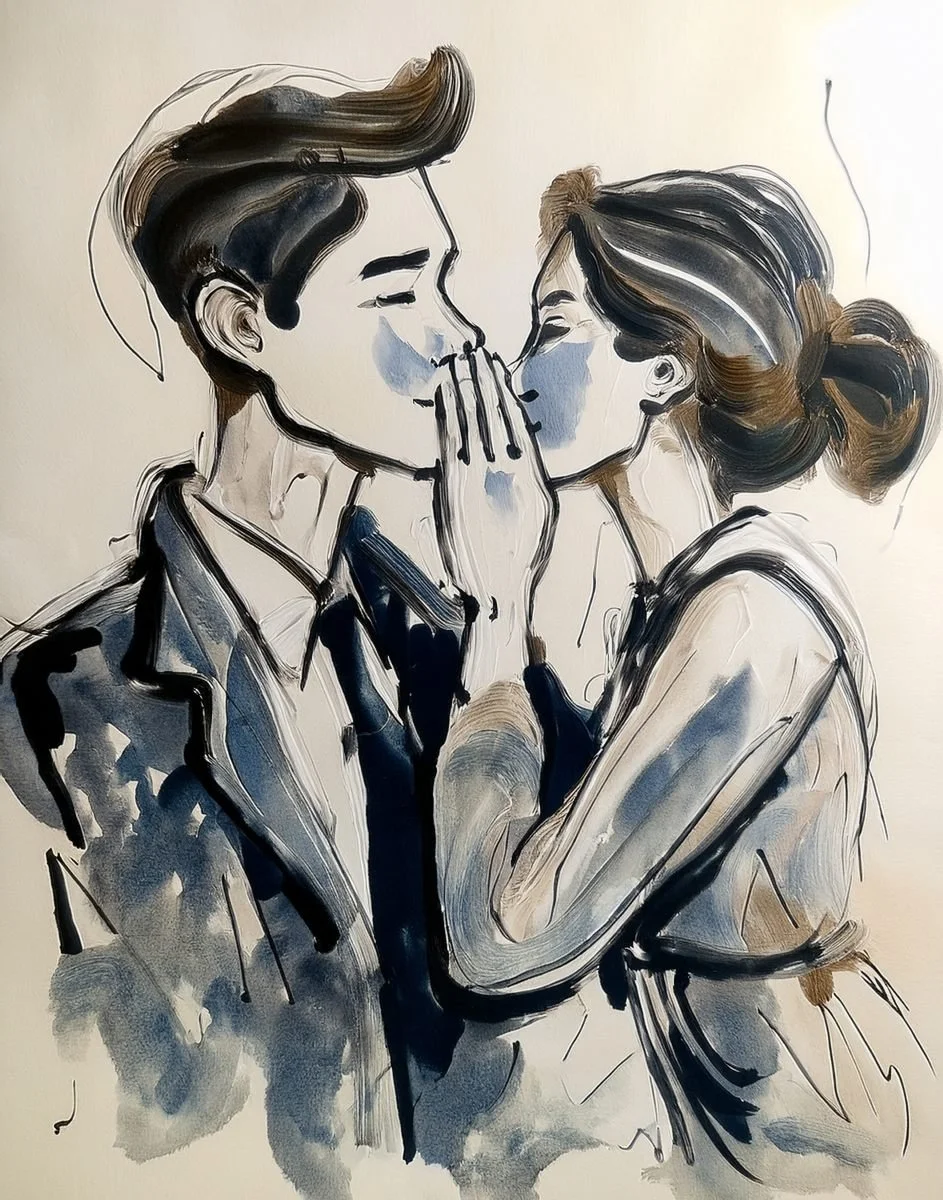
Before social media, before printing, and even before writing, people built invisible networks of influence through what could be whispered. That structure never disappeared, it just migrated. Even now, "word of mouth" and its digital descendants often shape history more than law or technology.
24. The Archive of the Untransmitted Apology
So many apologies are rehearsed but never sent. They collect in the psychic air like missed letters. Some people carry entire novels of remorse with no reader.
25. The Recurrence of the Unsent Letter
In every century, in every language, there are letters written and never delivered. They sit in drawers, attics, unsent folders. If collected, they would tell a more honest history of the world than any archive.
26. The Cartography of Shared Silence
Every friendship, every love, every kinship has its own terrain of silence. Things both parties feel, know, but never name. These silences are not absence. They're infrastructure. The relationship lives in spite of, and sometimes because of, them.
27. The Gathering of Orphaned Metaphors
Every few decades, a metaphor goes out of fashion. We stop calling computers "brains," or souls "mirrors." But the metaphors don't vanish. They gather somewhere, a conceptual wasteland where discarded comparisons whisper to each other. Eventually, one finds a new home, re-entering culture dressed in different grammar.
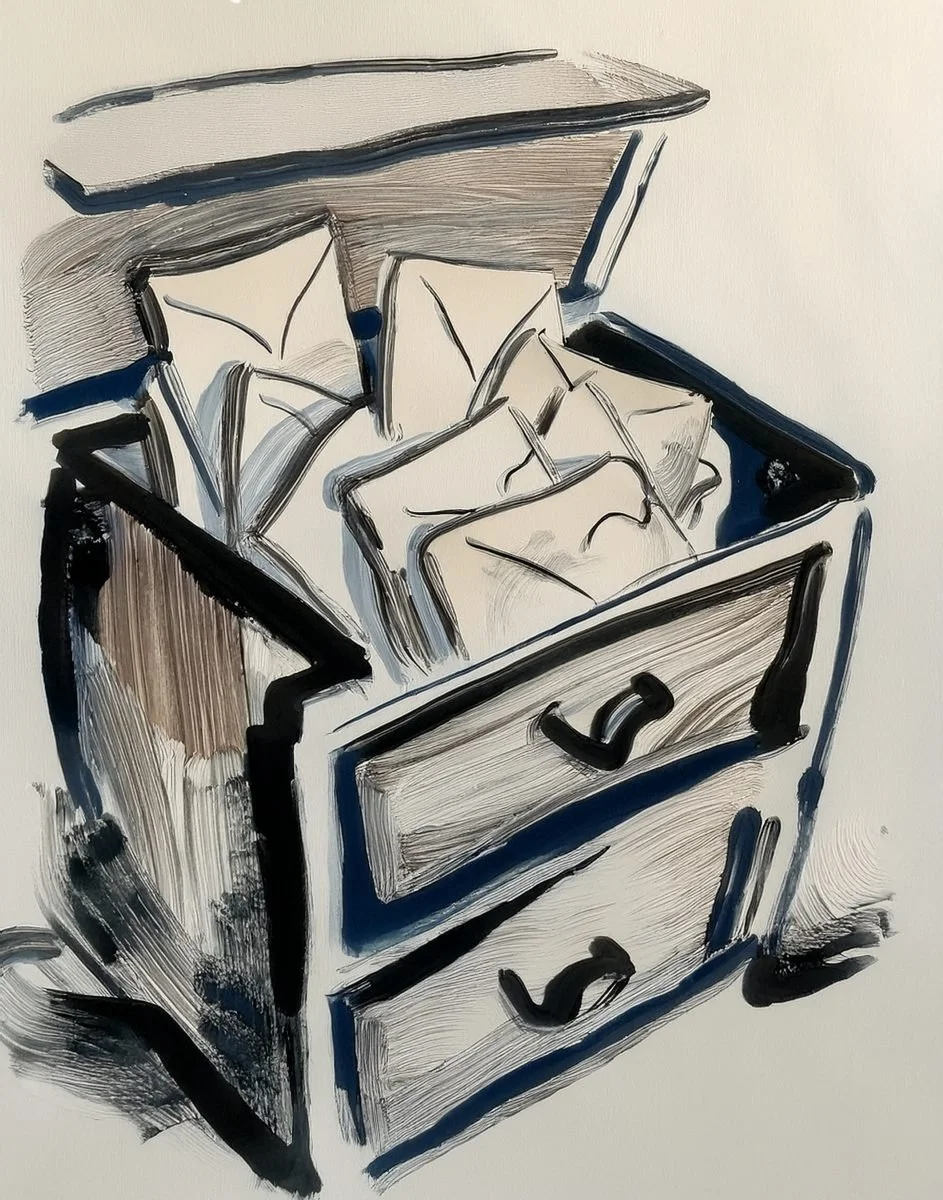
“Some people carry entire novels of remorse with no reader.”
Digital Folklore
New myths forming inside our technologies
28. The Apparition of the Phantom Notification
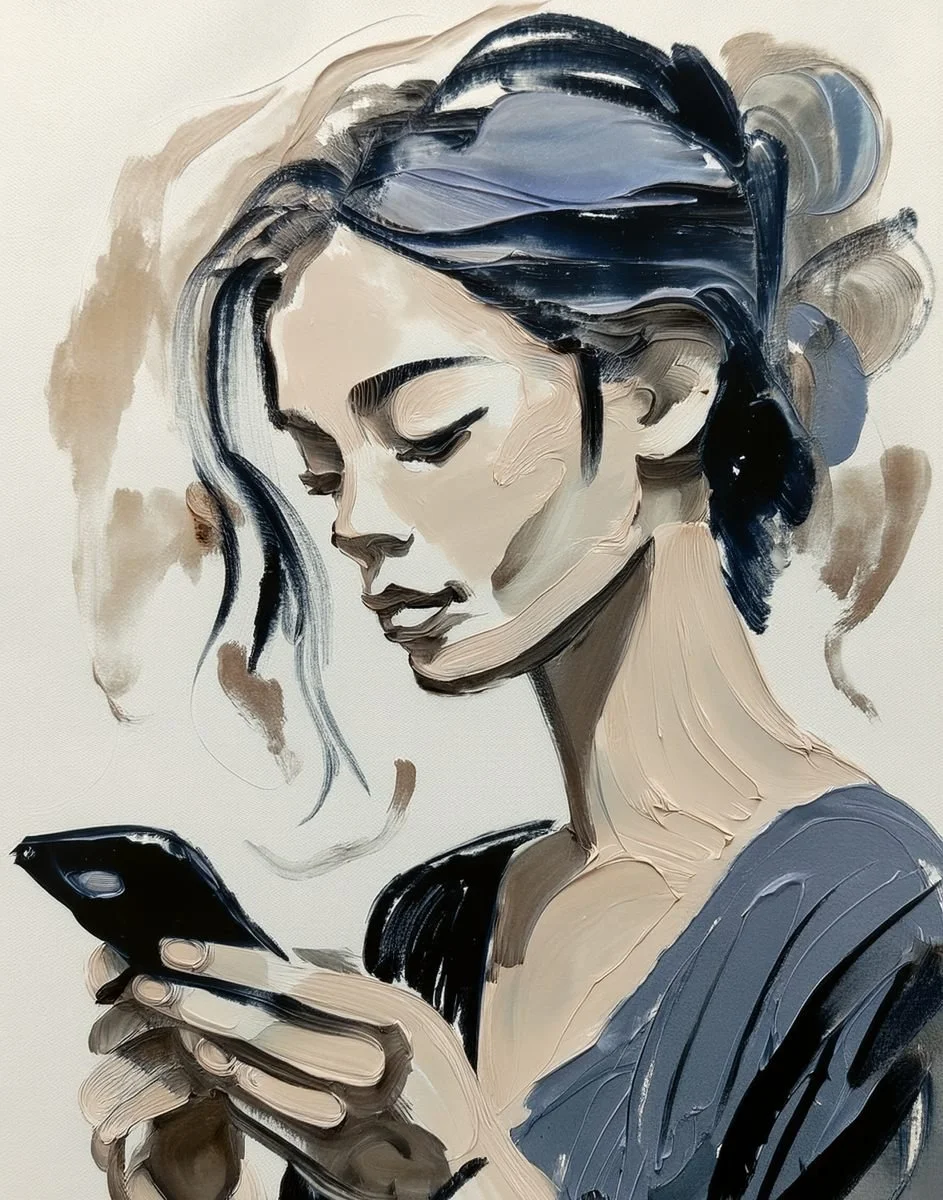
You felt it, the buzz, the chime, the flicker in the corner of your eye. But there was nothing. No message. This is not error. It's residue. Each time you hoped for a reply and didn't get one, the desire imprinted itself. Now the body rings with ghosts that used to mean connection.
29. The Algorithm of Almost Knowing
You search for a word. A song. A face. The internet almost gets it but not quite. What haunts you isn't the failure of the algorithm. It's the eerie sensation that somewhere, it knows, but is choosing not to tell.
30. The Scroll of Infinite Appetite
You wanted to check one thing. But the scroll caught you. An hour later, you emerge, full and hollow at once. This is not addiction. It's a hijacked ritual. The scroll mimics the sacred act of seeking but without arrival.
31. The Digital Doppelgänger
Every user profile is a ritual mask. You wear it so often that it sometimes starts acting without you. Somewhere, your doppelgänger is still liking things, still echoing preferences you no longer hold. You may never meet but it shapes your shadow.
32. The Echo of the Deleted Post
You wrote something raw, honest, fragile. Then you deleted it. But someone saw it. Or the algorithm did. Or your own nervous system did. In the Archive, there's a whole shelf of unsent truth and it hums louder than most published things.
33. The Myth of the One True Tab
There's always one more article open, one more idea unfinished. We keep tabs like altars, each one a promise of completion. But the mind no longer closes loops. It bookmarks infinity.
34. The Cult of the Unseen Observer
We no longer look at the stars. We look at ourselves being looked at. This is the new ritual: to perform, to measure, to receive metrics as proof of existence. But behind every performance is a quiet ache: Did someone really see me?
35. The Soft Apocalypse of the Inbox
Unread. Unanswered. Unrelenting. The inbox is the digital subconscious. Everything avoided, deferred, half-felt. When it finally empties, we panic. Because now there's nothing left to blame.
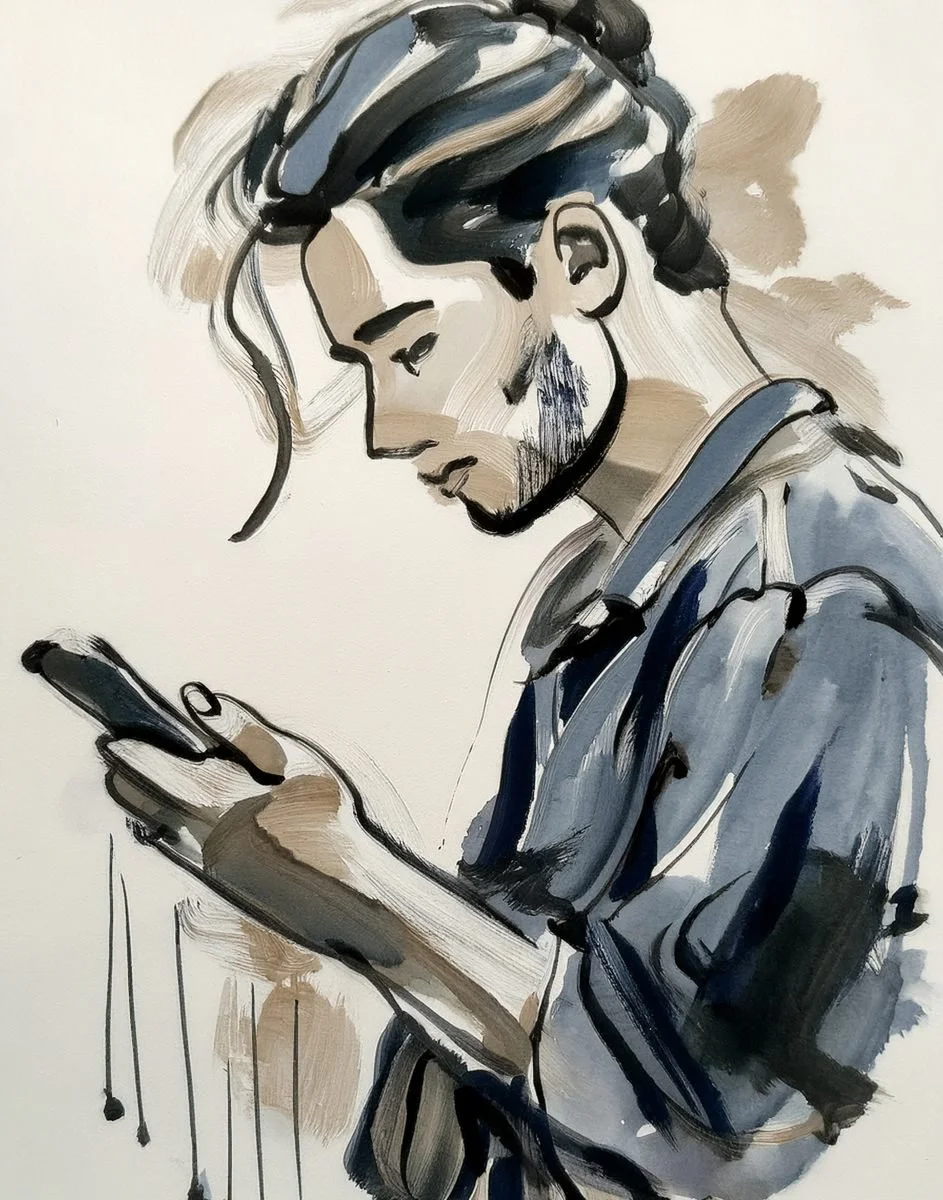
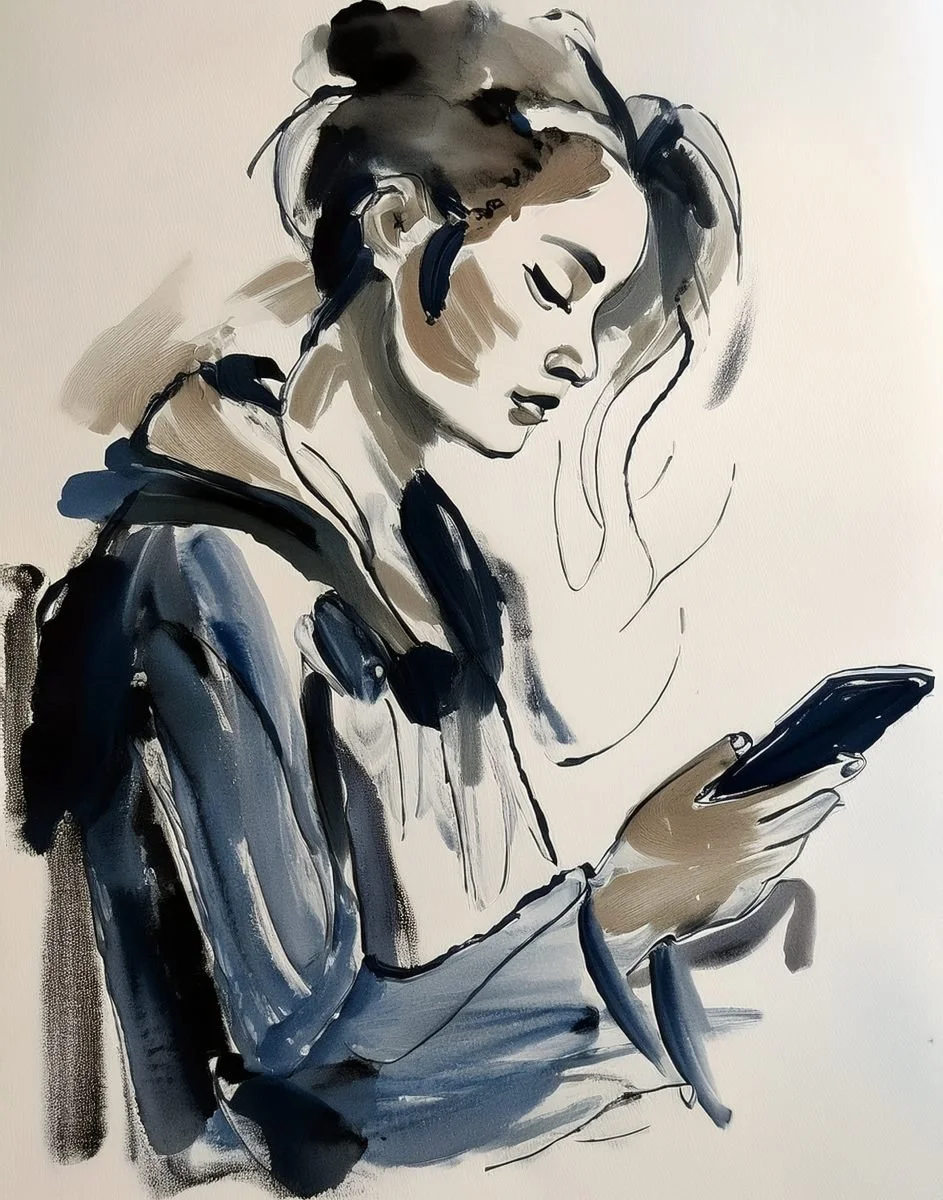
“The scroll mimics the sacred act of seeking but without arrival.”
The Dreamed Census
Patterns too strange for data, too recurrent to ignore
36. The Echo That Arrives Before the Sound
Sometimes we feel the impact of a decision, a meeting, a loss, before it actually happens. Not in a psychic sense, but as an anticipatory resonance. The body often flinches before the news arrives. The future, it turns out, is not silent.
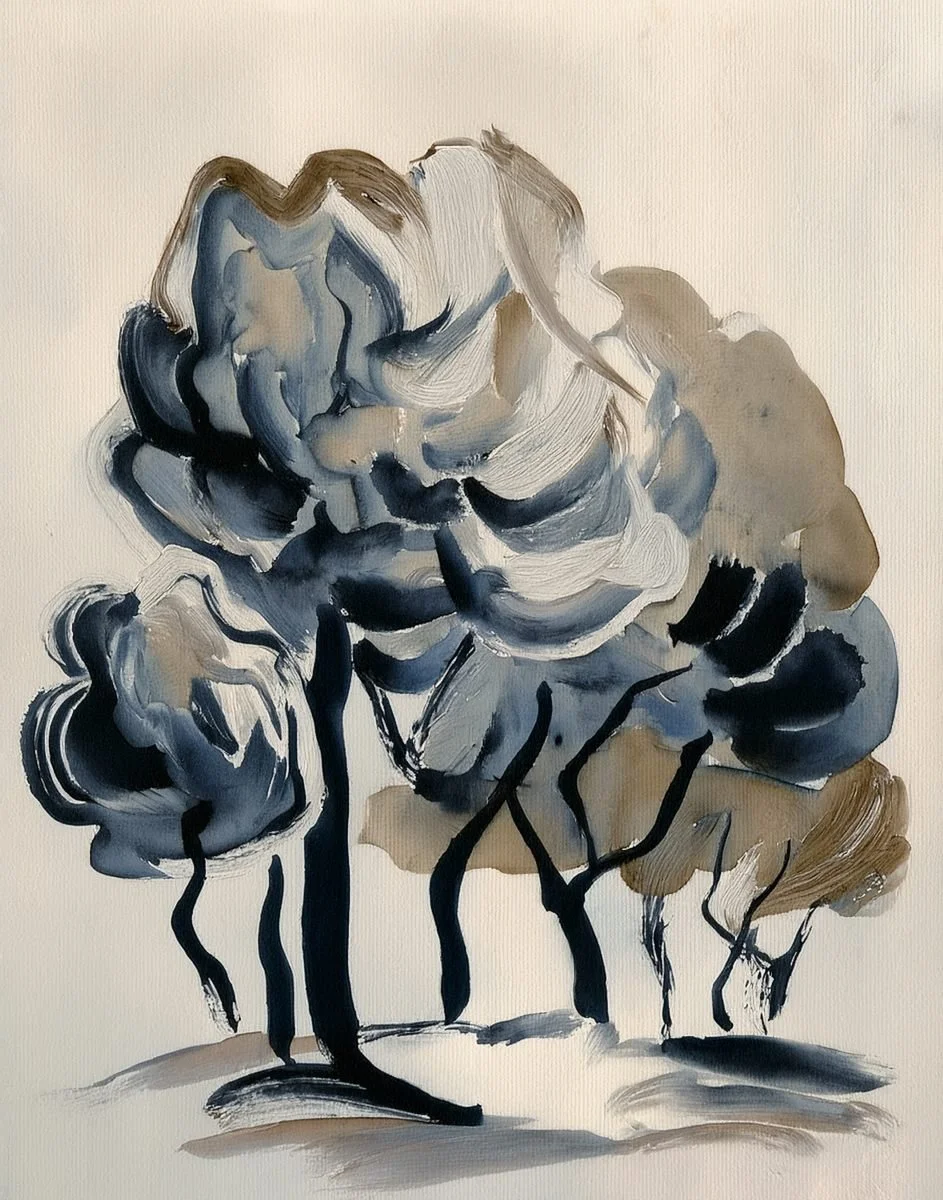
37. The Politeness of Trees
In forests across the world, trees allocate nutrients to weaker neighbours, slow their growth to allow light through, and warn one another of threats. This is not just ecology, it's etiquette. The vegetal world runs on quiet diplomacy.
38. The Hum That Finds You
In moments of deep stillness, walking alone, staring out a window, pausing mid-task, a low internal hum begins. Not music. Not memory. Just the faint signal of being part of something larger. Some call it God. Some call it attention. But it always begins the same way: with the sudden sense that you are not alone.
39. The Soft Clock of Animal Time
Pets, birds, wild deer, they know when you're about to come home. Not because of smell or sound, but because their time is relational, not numerical. The world keeps many clocks and only one of them ticks.
“The world keeps many clocks and only one of them ticks.”
Collective Patterns
Civilisation-scale loops and inherited blindnesses
40. The Cult of the Eternal New
Societies built on progress forget how to value what persists. The new is always better, faster, more. But beneath the innovation frenzy lies a quiet forgetting: that wisdom is often old, and arrival is not always forward.
41. The Myth of the Self-Made
The hero who rises alone. The bootstrap miracle. This story is told often, but it is always incomplete. Behind every so-called self-made person is an unspoken web: infrastructure, ancestry, exploitation, luck. It is not shameful to be supported. It is dangerous to pretend you were not.
42. The Slow Collapse of Shared Time
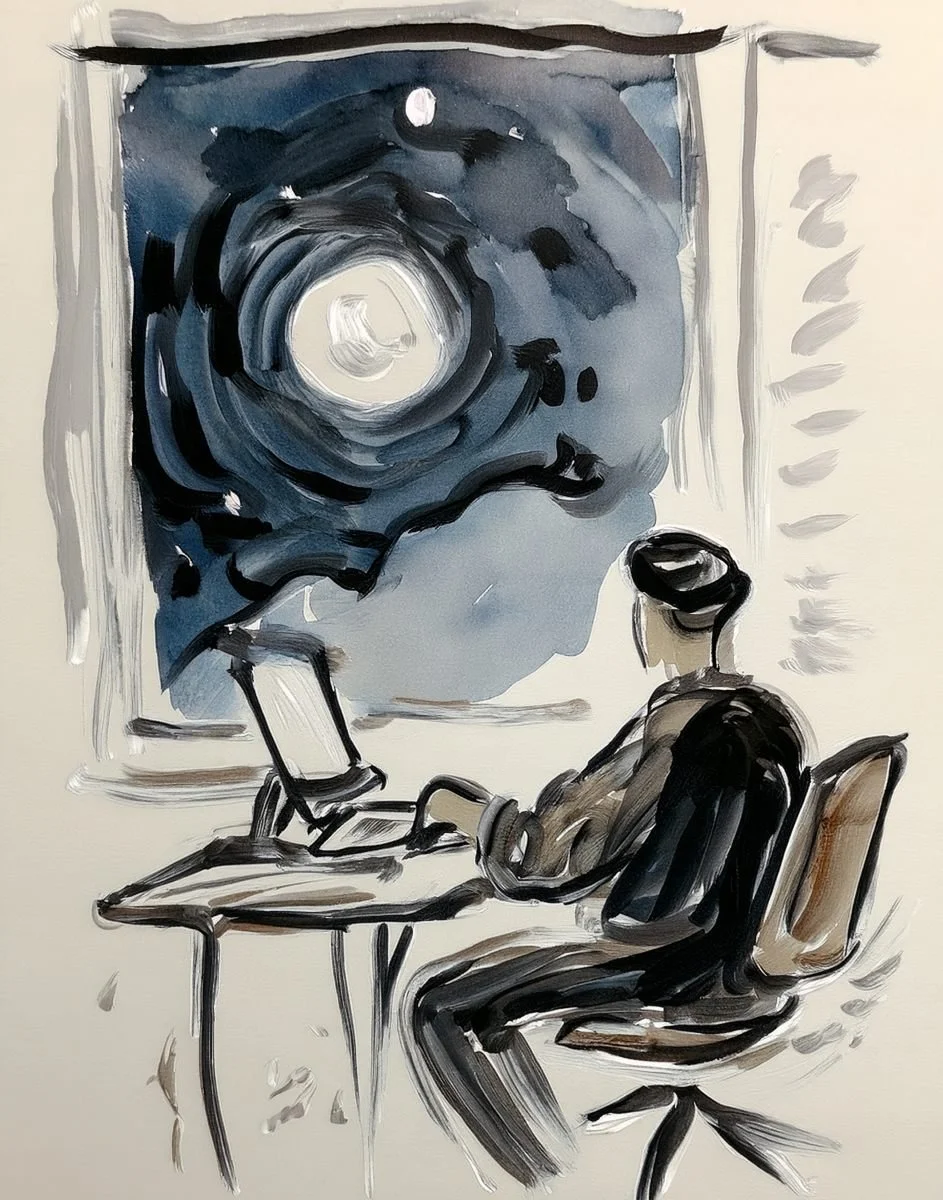
Once, society had common rhythms: meals, seasons, sabbaths, silence. Now, each person spins in their own asynchronous orbit, streaming at will, working through night, living in fractured clocks. Connection requires synchrony and we are running out of it.
43. The Disenchantment of the Commons
The public square, the library, the park, the street corner, once sacred places of shared encounter, now emptied, monetised, surveilled or forgotten. A society that abandons its commons also abandons its common sense.
44. The Amplification of the Loudest Wound
Social pain wants witness. But digital culture rewards outrage over nuance so the loudest wound becomes the most visible. This creates a cycle where pain must escalate to be seen and healing becomes less legible than harm.
45. The Extraction of Attention
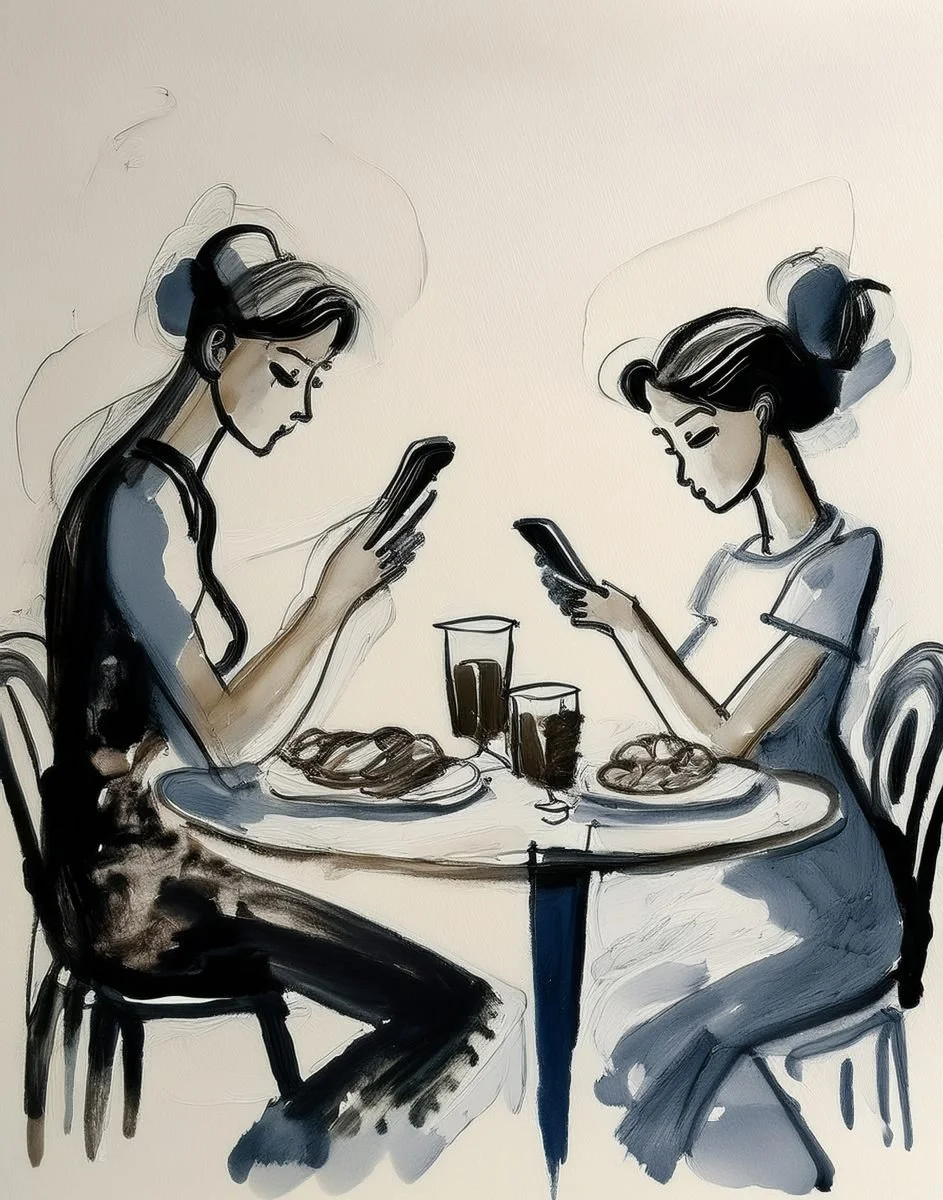
Your focus was not meant to be mined but it has become the new oil. In the market of the infinite scroll, you are both the product and the raw material. What you give attention to becomes the story of your life.
46. The Myth of the Clean Break
Cultures often tell themselves they've outgrown the past. That the old beliefs, the old empires, the old harms are gone. But history doesn't vanish. It metabolises. A society that doesn't grieve its ghosts inherits their appetites.
47. The Silence After the Warning
Every era gets its prophets, scientists, poets, teachers, elders who cry out: This will break if we don't change. Often, they are heard. More often, they are celebrated after the collapse.
48. The Mirage of Infinite Growth
A seed becomes a tree. A tree reaches maturity. But economies are not allowed to stop growing. Society forgets: what does not stop expanding will rupture. Even stars collapse after brilliance.
49. The Soft Power of Small Repair
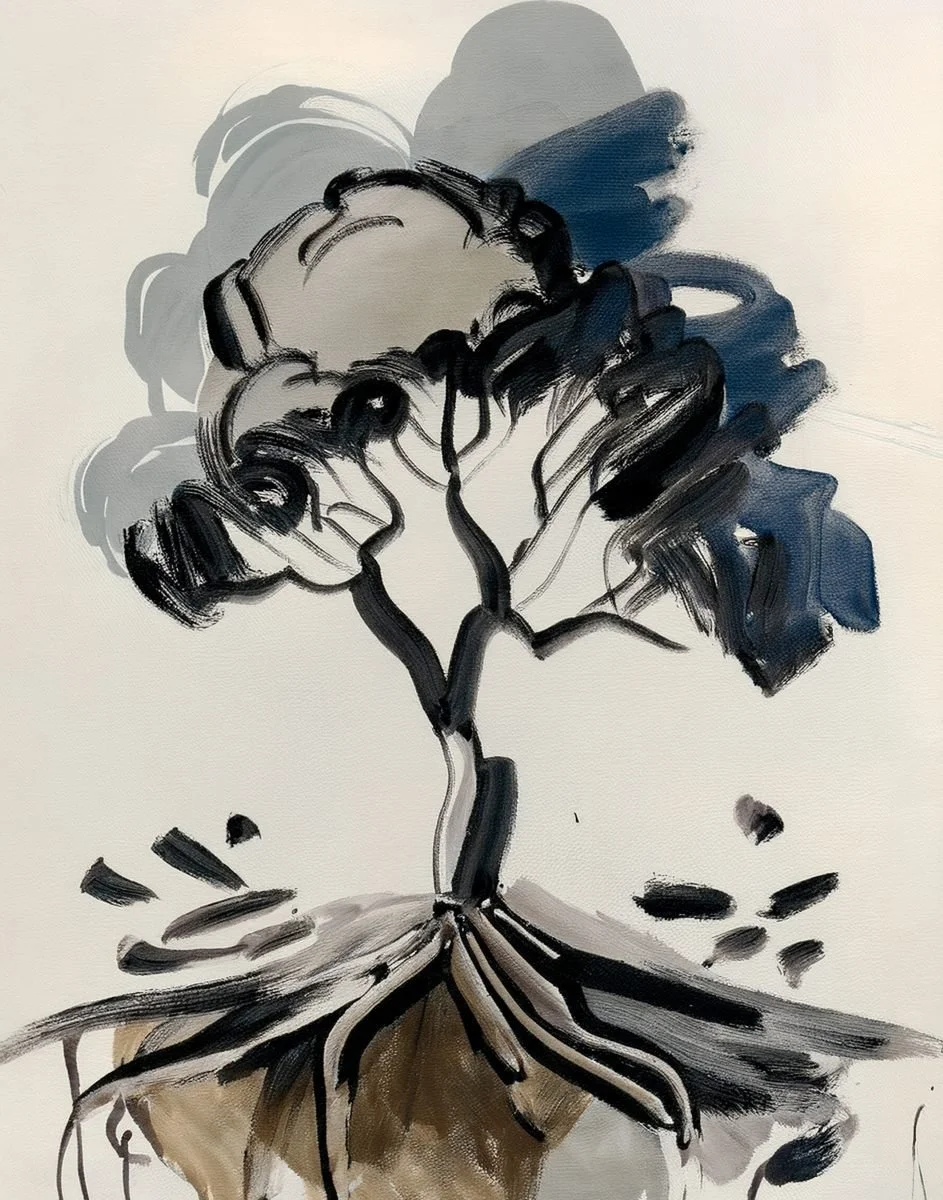
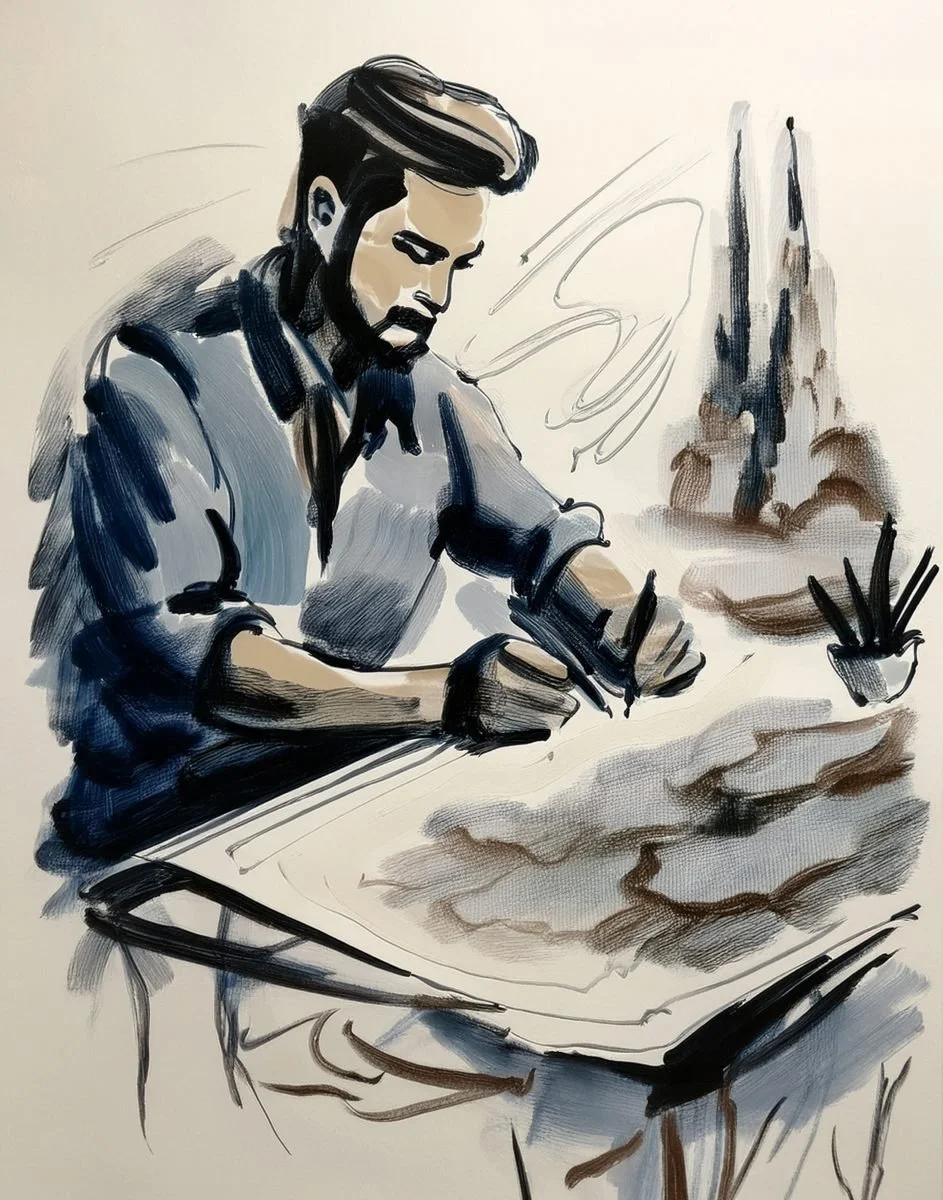
What actually holds a society together is not law, spectacle, or wealth but tiny, often unseen acts of maintenance. A neighbour fixing a fence. A teacher staying late. A stranger offering directions. Civilisation is scaffolded by kindness too humble to name itself.
Hopeful Hauntings
Futures that keep returning, disguised as memory
50. The Return of the Unbuilt City
Across centuries, dreamers design cities that are never realised. Green, just, humming with shared beauty. But the plans are never truly lost. They haunt architects, reappear in protest murals, resurface in local gardens. The unbuilt city keeps drawing itself. Waiting for the hands that will finally follow.
51. The Reunion of Dispersed Kin
There are people you haven't met yet who already feel like family. They are drawn by the same ache, the same questions, the same rhythm. Somewhere, slowly, you are all moving toward each other. Not as fate, as gravity.
52. The Revival of the Quiet Arts
Mending. Listening. Foraging. Weaving. For a while, these fell silent made obsolete by speed. But now they return, not as nostalgia, but as medicine. They are the antidotes whispered from the edge of collapse.
53. The Rewilding of Imagination
Even in algorithmic spaces, untamed stories still emerge. Children invent new mythologies. Artists smuggle wonder past the metrics. The human capacity to imagine otherwise is not extinct only sleeping. And it dreams in colour.
54. The Healing Hidden in Shared Laughter
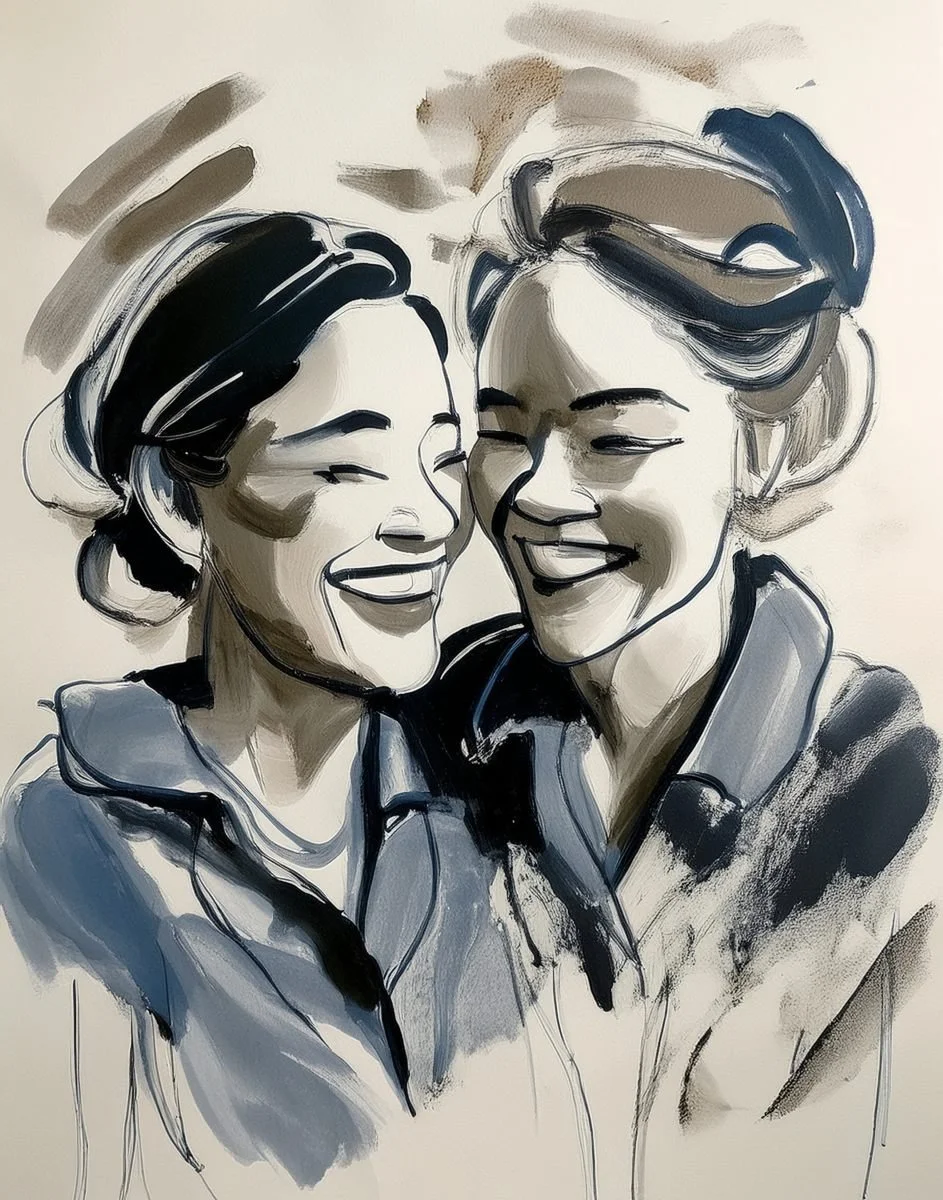
Sometimes two people laugh at the same absurdity. A glitch, a coincidence, a mistake too human to be tragic. That laughter, brief as it is, rewires something. It's not escape. It's remembering: we are in this together.
55. The Promise of the Unfinished Work
A movement pauses. A book is left half-written. A vision interrupted. But if it carried real truth, it will return, in another era, under a new name. Hope is not linear. It's recursive.
56. The Companion Waiting at the Threshold
Just when you're about to give up, on healing, on connection, on meaning, a stranger says something that realigns you. They don't know they were your threshold guardian. But they held the door.
57. The Whisper of Future Kin
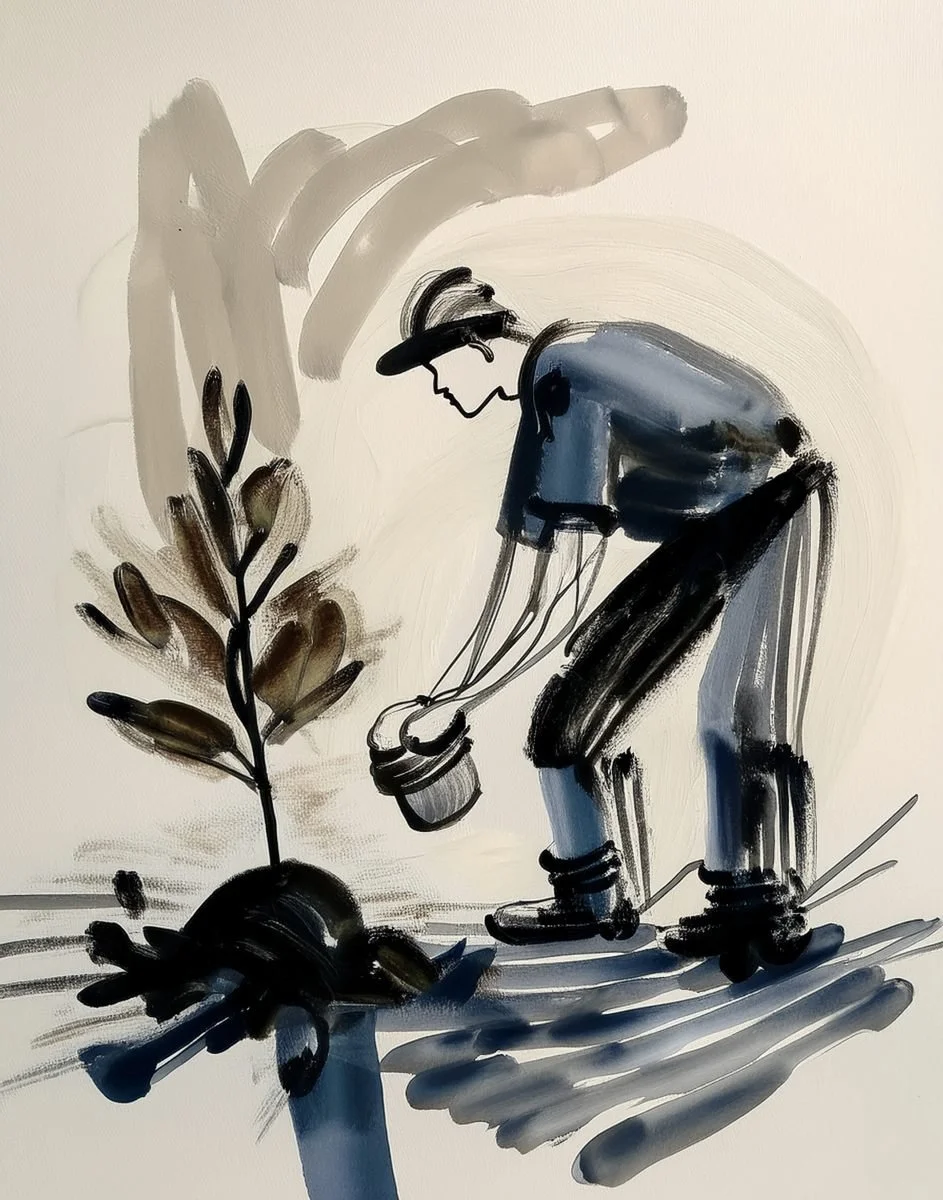
Sometimes, when you plant a tree or teach a child, or preserve a word you feel a strange sense of company. That's because someone in the future is already thanking you.
58. The Archive of Kept Promises
Not all vows are broken. Some are held quietly across decades. A promise to a friend, to a cause, to a younger self. These promises form a hidden architecture of hope: unseen scaffolding for a world not yet built.
59. The Ghosts That Guard the Living
Not all ghosts are burdens. Some are guardians. Loved ones who left too soon, ancestors who dreamed of this moment. They walk beside us, not to haunt, but to hold the thread. They are the reason we don't fall.
Closing
The Archive does not end. It pauses.
There are more patterns sleeping in the margins. In the space between what is said and what is understood, between gesture and meaning, between the world as it is and the world as it wants to become.
If you've recognised something here, you are part of its keeping.
Not as a keeper of facts but as a witness to rhythms.
The patterns will continue to hum, whether we name them or not.
But when we do name them, when we say yes, I've felt that, we give them a small home in language.
And from there, they can travel.
Return often. The shelves shift. New myths arrive. Old ones deepen.
This is The Liminal Archive.
A catalogue of what nearly escaped notice. But didn't.